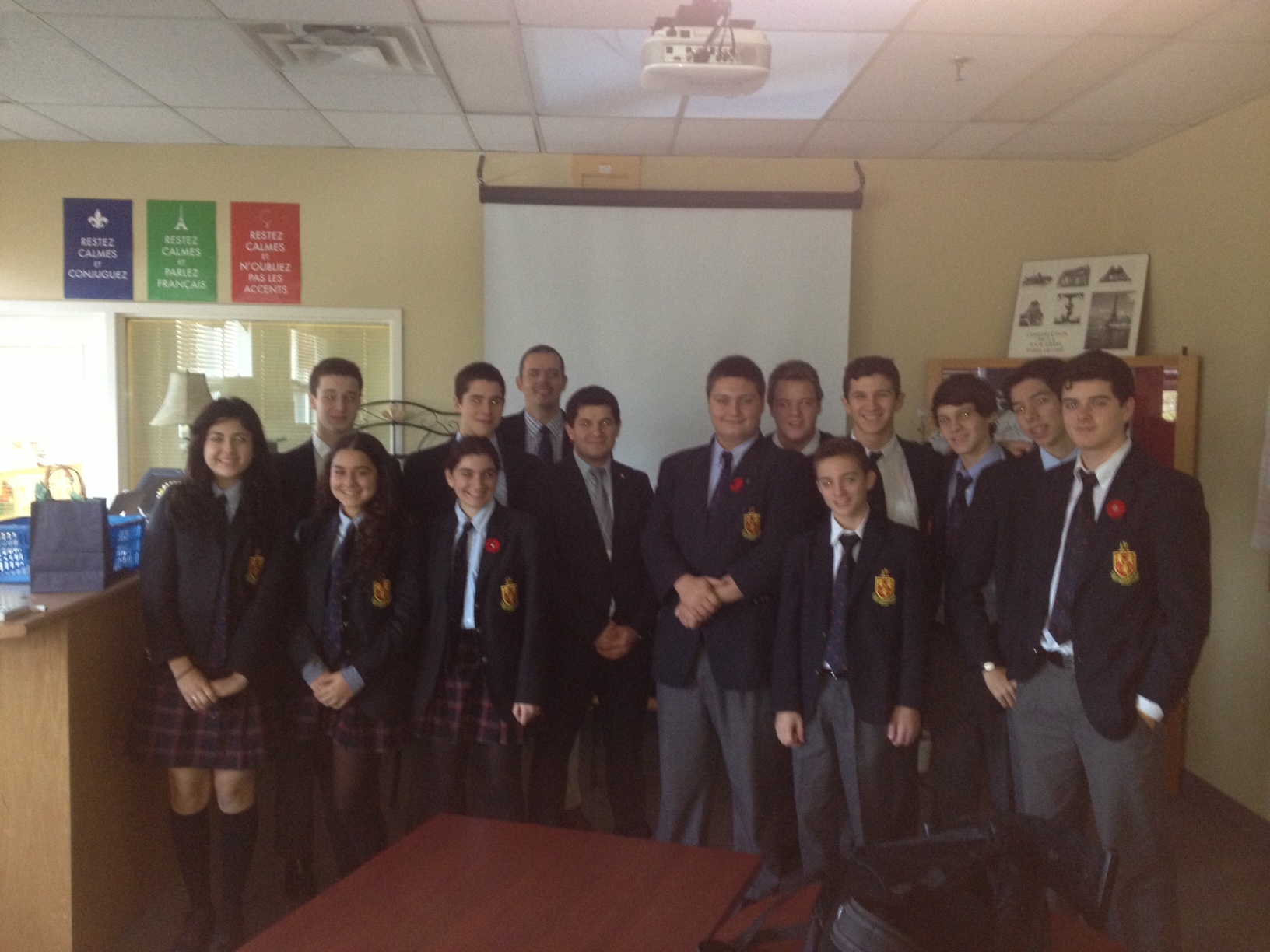
Me Cojocaru rend visite aux élèves du cours de droit

photoJeudi 8 novembre 2012, les élèves du cours de droit de 10e année ont reçu la visite de Me Cojocaru. Avec enthousiasme et dynamisme, il a expliqué les rôles des acteurs dans un procès criminel.

Voici les commentaires des élèves :

J’ai appris que la manière dont les avocats communiquent a beaucoup changé. Il n’est plus acceptable pour deux avocats de se battre comme des « pitbulls ». David Rosenberg ’14

Aujourd’hui, pendant la visite, j’ai appris que lorsqu’un avocat est nommé juge, sa vie change. Elle devient plus privée parce que si un juge est pris en train de faire ou de dire quelque d’incorrect alors les problèmes commencent.– Eric Tellier ’14

Aujourd’hui, j’ai appris la disposition des personnes dans une cour criminelle. C’était loin de ce que j’imaginais avec l’image de Lincoln Lawyer ou de Judge Judy. Ensuite, j’ai appris les tâches des personnes qui sont présentes (greffier, huissier…). J’ignorais leur existence.– Thomas Boucher-Charest ’14

J’ai beaucoup appris à propos de la cour. J’ai maintenant bien compris son fonctionnement. Aussi, j’ai beaucoup aimé savoir comment un avocat devient juge. J’ai beaucoup apprécié la présentation et j’espère qu’un autre avocat viendra nous parler un autre jour.– Luca Saputo ’14

J’ai appris le processus pour devenir juge. Je voulais toujours connaitre les étapes, et Me Cojocaru les a expliquées très clairement! Maintenant j’ai une idée de ce que je dois faire dans ma carrière si je veux devenir juge.– Arielle Supino ’14

Pendant le cours, j’ai beaucoup appris! Je connais maintenant toutes les fonctions des personnes dans un tribunal criminel ainsi que leur position. J’ai aussi appris beaucoup sur la/le juge et comment tu peux le devenir. Tu dois avoir plus de 10 ans de pratique comme avocat, tu dois être recommandé et remplir une demande. J’ai aimé ce cours parce que j’ai eu le sentiment d’avoir beaucoup appris quand j’ai quitté la classe.– Arianna Silla ’14

J’ai appris comment un avocat pouvait poser une candidature pour être un juge et que la vie d’un juge est très « secrète ». J’ai aussi appris sur le rôle du greffier, par exemple comment il/elle donne l’ordre à la cour, et comment il/elle doit assurer que tout le monde a de l’eau, a les photocopies des preuves… Cela parait peu important, mais ce sont toutes des petites choses qui font une grande différence.– Brian Brotto ’14

Solisterra: An Influential Journey

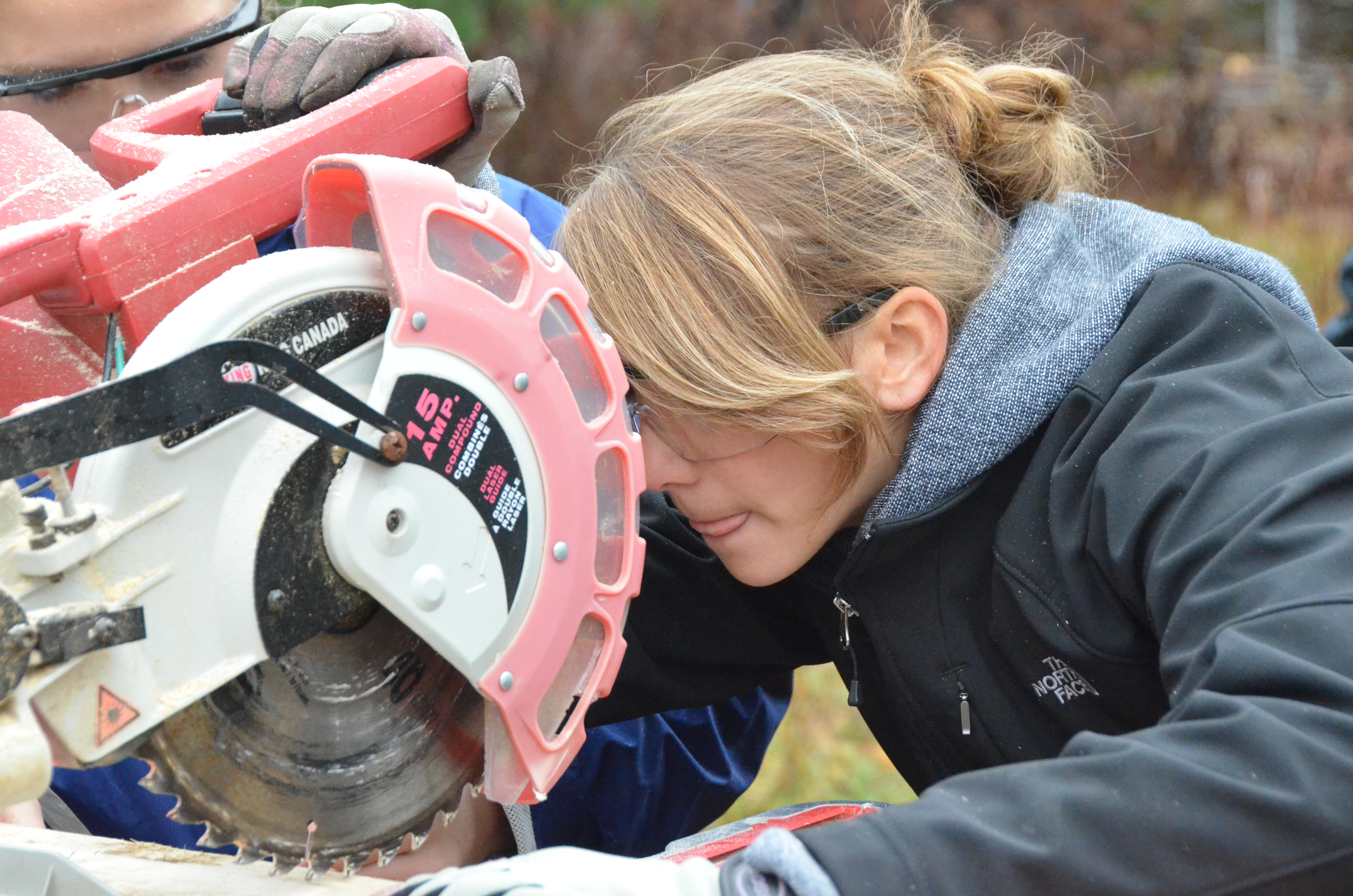
This year the grade 9 and 10 enriched math classes were invited for a second time to Solisterra in the town of Kazabazua. When I heard that I had a second opportunity to head out for Solisterra and work on another outdoor building project, I couldn’t wait to sign myself up. Not only was I super excited to work on a straw bale shed and learn how to sew the bales together and apply the paraging, but I was also grateful to be able to spend another weekend on the actual property of Solisterra.

I loved working on the shed all weekend but what I want to share is how inspiring and relaxing Solisterra actually is. Solisterra is located in a small town one hour north of Ottawa called Kazabazua. It is a property of 350 acres and there are two straw bale houses on it, one playhouse and now there is a straw bale shed! There are two beautiful lakes on the property as well and the land is covered in trees.

The nicest part of the trip was walking in silence, in the pitch black, through the property from one house to another. As we walked, we heard the sounds of our own footsteps and the rain lightly hitting the trees, the wind that rustled through the leaves and the sound of coyotes way off in the distance.

Knowing that Solisterra is completely off the grid and that you are staying in a place where you can’t hear the sounds of cars is the greatest feeling. You feel as if you are living in a different but better world. Visiting and working in Solisterra opened my eyes as to what our earth can give us. And our hosts Frank and Dominique inspired me to work with solar energy and an environmentally friendly building. All in all, these experiences to Solisterra have been the most influential journeys of my life. – Mia Roberts ’15

Movember Madness @ LCC

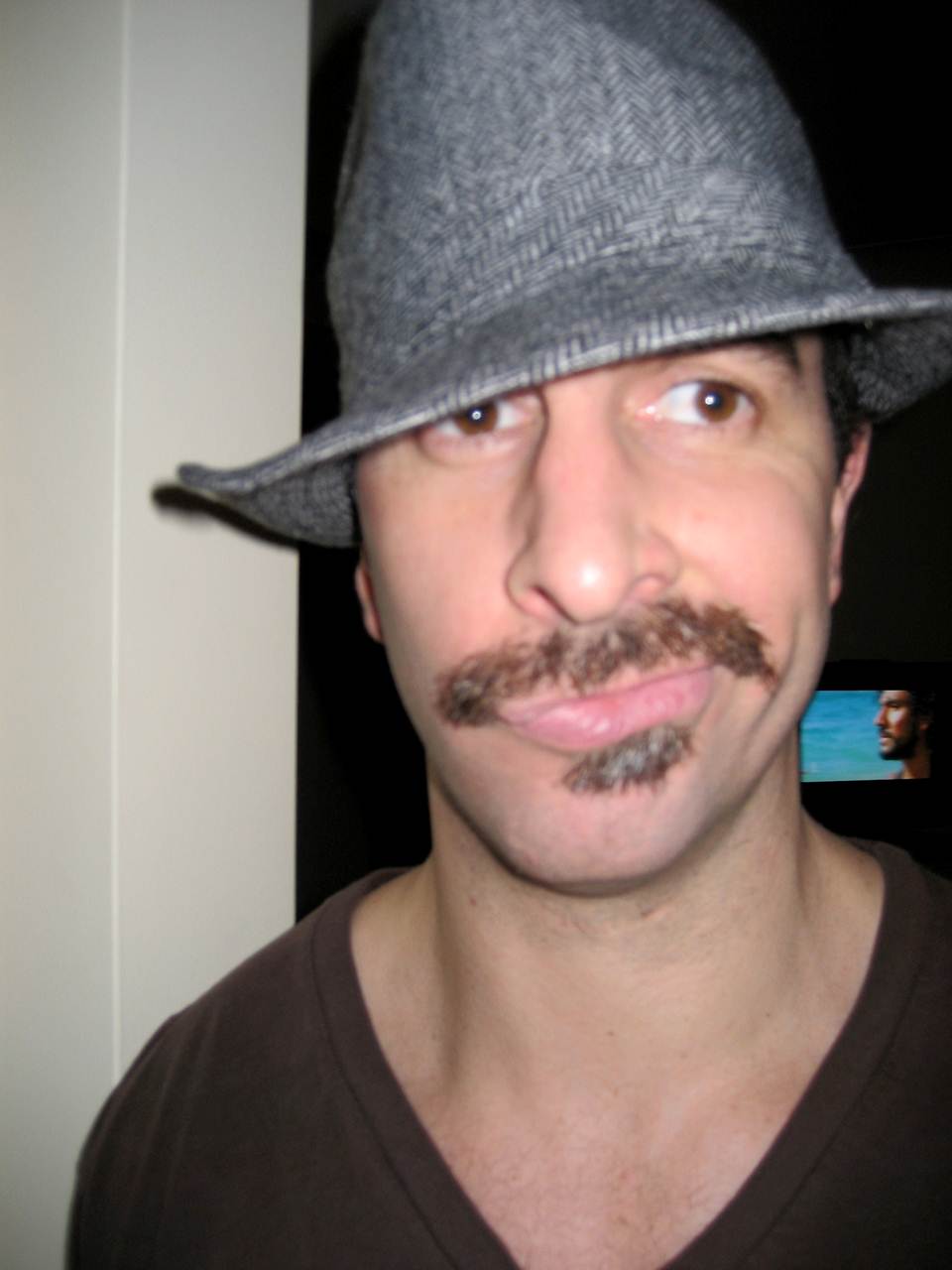
MarkCapombassis88LCC’s Mark Capombassis ’88 is our guest blogger. He shares how he, and subsequently LCC, got involved with Movember.

____________________________________________________________________________________

I got involved with Movember because it raises money for men’s cancer. My father, Panos Capombassis, died of cancer: it was in his memory that I first chose to get involved. I created my first Movember team in 2011, and we raised over $120,000 with a mere six-member team. We were the #1 team worldwide (of 10 people or less) for funds raised…and we had fun doing it.

After the success of the 2011 campaign I wanted to get more involved with Movember, so I joined the Montreal Board of Directors in 2012. My goal in 2012 is to help create more teams and inspire more people to participate in this important initiative.

I was aware that Movember does a great job getting university students involved, but I had never heard of the organization doing anything specifically with high schools. I know that when I was in high school, my friends and I would have definitely grown moustaches if we had been given the permission to do so! We would have done it for the fun of it as well for the cause. With that in mind, I thought “let’s get my old high school involved.”

I had initially approached LCC to participate in 2011, but there was not enough time to assemble a team, so Kirk LLano (Director of Philanthropy and Alumni Relations) and I decided to talk about the possibility again mid-2012. Kirk gave me the go ahead to come into the school and talk to the grade 11 boys after lunch one day. With Kirk’s support and enthusiasm, he has created a movement within the school to get the kids signed up. To date LCC Stash is up to 48 people on the team and that is far more than I ever could have hoped for in our first year.

In addition to LCC’s involvement I have created a Canadian High School Network where another 20 high schools from across Canada have joined. Together we will show the capacity this demographic has in raising awareness and funds for a great cause.

My Movember goals for 2012 have been as follows:

  1. Continue my personal efforts to raise awareness in honour of my father
  2. Create a Movember LCC team
  3. Create a Movember Canadian High School Network
  4. Use the success of our Canadian High School Network to encourage high schools worldwide to get involved in Movember

I’m well on my way.  — Mark Capombassis ’88

Une question d’éthique et de valeurs

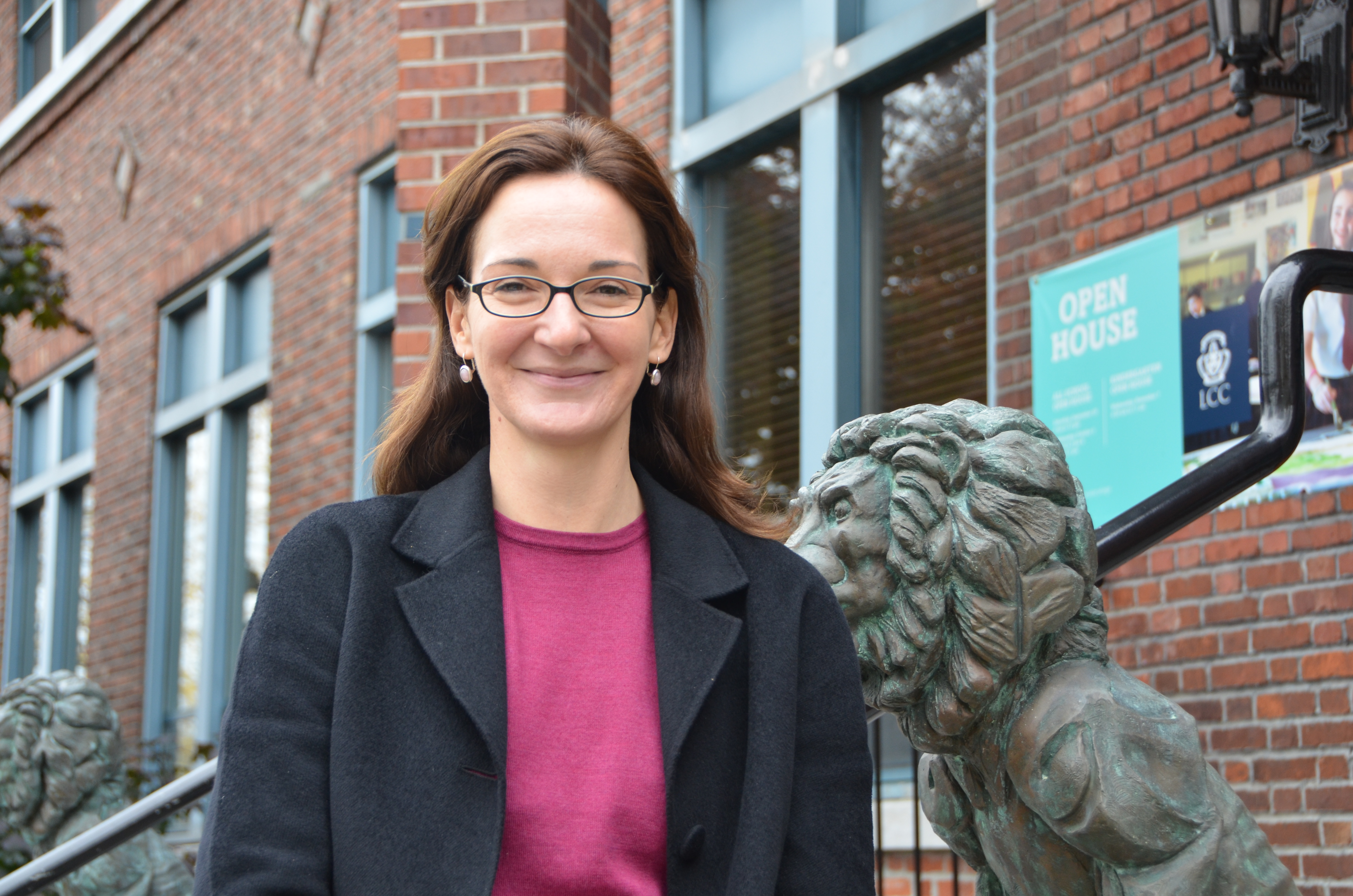
2012_2013_YGhandour_02Je suis directrice du programme primaire (de la maternelle à la 6e année) du Lower Canada College et mère de trois enfants âgés de 10, 8 et 3 ans. À titre de professionnelle et de mère, je suis toujours intéressée de savoir où en sont les enseignants dans leur réflexion professionnelle. Lors d’une récente réunion du personnel du programme primaire, j’ai posé la question suivante à mon équipe d’enseignants : « S’il ne vous restait plus qu’une journée à enseigner, quel sujet souhaiteriez-vous aborder avec vos élèves? » Incroyablement, chacun d’entre eux a répondu à la question par des mots comme « respect », « compassion », « tolérance » et « intégrité ». C’était un réel plaisir à entendre!

Même si on s’attend de nos enseignants qu’ils développent continuellement les divers cours prescrits par le ministère de l’Éducation et qu’ils remplissent des bulletins de notes principalement axés sur la maîtrise des connaissances à l’égard de sujets précis, les écoles jouent également un rôle important dans l’enseignement des aptitudes sociales. En fait, ce rôle constitue même une obligation morale.

Les règles et attentes sociales à l’égard du comportement doivent faire partie du « programme indirect » de toutes les écoles et être enseignées au même titre que d’autres compétences. À moins que nous n’inculquions ces valeurs aux élèves – nos enfants – tout comme nous leur enseignons les mathématiques et la grammaire, nous ne pouvons pas nous attendre à ce que nos jeunes sachent se comporter dans les situations de la vie quotidienne, ni même qu’ils y soient préparés. En fait, comment pourrions-nous être déçus de les voir mal se comporter si au départ on ne leur a pas montré à agir autrement?

Un programme bien défini d’éducation lié au caractère contribue à créer un climat scolaire positif. Nos élèves sont nos leaders de demain et nous ne pouvons qu’espérer qu’au moment de leur remise de diplômes, ils fassent preuve non seulement de capacité intellectuelle, mais aussi de responsabilité sociale.

En mettant l’accent sur l’éducation à la fois de l’esprit et du cœur, nous veillons à ce que nos enfants soient prêts à faire face aux défis que l’avenir leur réserve avec confiance aussi bien qu’avec compassion.

Évidemment, en matière d’éducation du caractère, le soutien de la famille est essentiel, mais je me réserve le sujet du partenariat parent-école pour un futur blogue!

Yasmine Ghandour
Directrice du programme primaire du Lower Canada College et mère de trois enfants

Character Matters

2012_2013_YGhandour_02I’m the director of Lower Canada College’s Junior School program (K-6) and also the parent of three children, ages 10, 8 and 3. As a professional and a mother, I’m always curious about where teachers are at in their professional thinking.  At a recent Junior School staff meeting, I asked my team of teachers: “If you had only one day left to teach, what would you want to teach your students?” Interestingly, every single one of them answered the question using words like “respect,” “compassion,” “tolerance” and “integrity.” Music to my ears!

Even though our teachers are continually asked to work on developing the various courses prescribed by the Ministry of Education, and filling out report cards that focus predominantly on subject-specific mastery of skills, schools have an important role to play in teaching social skills. In fact, you might even consider it a moral obligation.

Social rules and expectations of behaviour need to become part of every school’s “hidden curriculum” and taught like any other set of skills. Unless we teach these to students—our children—as we teach them math and grammar, we simply can’t expect our young ones to know how to behave in, let alone be prepared for, real-life situations. More specifically, we cannot be disappointed in them for having behaved wrongly if they were not taught otherwise.

A well-defined character education program helps to create a positive school environment. Our students are our future leaders and our hope is that they graduate not only intellectually capable, but socially responsible too.

By putting an emphasis on educating the heart as well as the mind, we ensure that our children will be ready to meet the challenges of the future not only with confidence but also with compassion.

Of course, the support of the family in character education is also key, but I’ll leave the parent-school partnership as a topic for a future blog!

Yasmine Ghandour
Junior School Director at Lower Canada College and mother of three