Grade 7 Orientation Reflections – Day 2

The grade 7 orientation includes a focus on executive functioning skills. Here is a sampling of reflections from some of the students:

___

During today’s session on the brain, we learned about two different mindsets. The fixed mindset is when you avoid challenges, give up easily when you see an obstacle, see efforts as useless, ignore most negative feedback and feel threatened by the success of others. These people believe that they cannot get any smarter so they don’t see the point in trying. All they want to do is look smart. Where as the growth mindset is the complete opposite. They embrace challenges, persist in the face of setbacks, see effort as the path to mastery, learn from criticism and find lessons and inspiration in the success of others. I have a couple of questions concerning the subject. Can the people with a fixed mindset change into a person with a growth mindset? Do they even realize that they are wrong? And how can they change? Here is another quote I found:

Ashes to ashes
Dust to dust

Oil those brains
Before they rust.

–Alyssa Howard ’17

___

I think that the thing that separates successful students and unsuccessful students is work ethic and study habit. You can always blame your failures on other people but at the end of the day, the only one whose fault it truly is, is you. For example, if you study for a test and truly understand the material you will most likely do well. However, if you don’t study, you’re unprepared and you don’t understand the material, chances are you won’t do so well. Another thing that separates students is attentiveness in class. Your teacher could give a perfect explanation of something but if you don’t concentrate in class you won’t understand it. Lastly, all successful students have a desire to learn new things. You could always settle for being an average student but successful students will walk into school knowing that they’re not perfect and therefore want to learn new things in an attempt to achieve perfection. They’ll also try to learn new things at home, even when they’re not forced to. — Andrew Black ’17

“A child educated only at school is an uneducated child”- G. Santayana

___

Today I’ve learned many surprising things, but the lesson that gave me the biggest shock of all was the Group work session, which focused on what type of learner you are. Before this session I thought there were only four types of learners, but today I discovered that there are so many different types of learners. For example there are bodily-kinesthetic learners, Naturalistic learners, musical learner, interposal learners, interposal learners, logical-mathematician learners, and so many more. In this class I took a test, and that is how I found out that I was a naturalistic learner 100%. Nature, people and the life cycle inspire naturalistic learners. They also, sympathize with animals and can identify many plants. Naturalistic learners can also identify patterns very well and they like taking scientific notes on things around them like nature. –Erika Kaperonis ’17

“Our task must be to free ourselves… by widening our circle of compassion to embrace all living creatures and the whole of nature and it’s beauty.” –Albert Einstein

___

I now have a whole new approach on how to study. The reason for this is because today I learned what type of a learner I am. I am a logical-mathematic and an interpersonal learner. A logical learner means that I am capable of resolving problems easily and I usually think logically, I confront problems head first without hesitation. Apparently the best way for me to stay organized and learn is by making outlines of my work before I even start. I should also be thinking of what I am about to learn as a puzzle or a formula to help me understand better. I think this fits me well because I often find myself thinking logically. I will always prefer to have a situational word problem then a straight up math question. It says I would excel in math but I am not good in the basics of math, however I am good in most logical math problems. Now for the interpersonal half of me whom I find is definitely more dominant. According to the site we used in class an interpersonal learner is someone who thrives on social interaction. Friends often ask them for advice because they are understanding and in tune with the people around them and their motives, emotions, perspectives, and moods. You have an ability to manage relationships, which helps you understand situations and take a leadership role when necessary. They enjoy teaching and sharing their thoughts. Apparently I understand more when I talk out my situation, I always learn better when I get to discuss it with someone this is why I really enjoy doing group work. I think knowing how I learn is a very useful thing, I now know that when I am studying I should try to study with a buddy and make an outline before I start. –Philippe Miller ’17

“The mind is not a vessel to be filled, but a fire to be ignited.” Plutarch

___

The most surprising thing that I learned today was that the way you brain learns can affect your group work in a positive or negative way. All our brains have a different way of learning whether it is visual or intrapersonal we will all learn, just in a different method. Some students grasp concepts quickly and clearly by a visual aid, others by hearing someone explain it to them. So what surprised me the most was that since we all have different methods of learning they could effectively affect our group working skills. We found out that people who are paired up with their peers who have a different learning method often work better. This happens because they will all have a different opinion and a different idea, so all the ideas will come together and form one big cohesive idea. Therefor assembling their project. All though I explained that people who work together that happen to have different learning methods often succeed in group work, does that mean that people who have similar learning methods wont? –Vivianne Tellier ’17

___

Today, we learned about the two “supposed” mindsets: the “fixed” mindset and the “growth” mindset. While I found the subject interesting, I was left wondering: How does one end up with either a “fixed” or a “growth” mindset? Is it genetic? Determined at birth? By CHOICE? By CHANCE? I would like to know.

When I googled “mindsets,” I was presented with a list of related pages. The first one was www.mindsetonline.com, which was the homepage of a book called Mindset. Mindset was written by Carol S. Dweck in 2006, with a sequel released this year. I remembered that we had heard about Dweck earlier this morning, in our “Mindsets” course, when we were discussing the brain. After a little more research, I came across this page, which stated that there are many theories related to the subject, but none of them have been proven as a/ the single cause [1].

Alas, I still have no answer, but that won’t stop me! I will find the answer! I have to! It’s part of my “growth” mindset!!!

“Millions saw the apple fall, but Newton asked why.”  ~Bernard Baruch

What mindset are you? — Adam Vandenbussche ’17

Sources

[1] http:/ / mindsetonline.com/ whatisit/ whypeoplediffer/ index.html

Grade 7 Orientation: Reflections – Day 1

The grade 7 orientation includes a focus on executive functioning skills. Here is a sampling of reflections from some of the students:

___

“Teachers open the doors, but you must enter yourself.” – Chinese Proverb

Today, I walked into a new world, the world of high school. This morning, I learned about how the brain functions. I learned several interesting facts, not only from my teachers, but also from my classmates. For instance, I discovered that the neurons in your brain could transfer messages to other neurons.

After this activity, I learned how to work my laptop. I created folders for different subjects that I will learn about this year. I learned how to back up my work, keep myself organized using iCal (the virtual calendar), and more.

My favourite part of the day was music. We went into the music building to be assessed for playing different instruments for music class. We played the flute, the clarinet, the trombone, and the trumpet. At the end, we wrote down three of the four instruments of which we most enjoyed. I chose the flute, the trumpet, and the trombone.

I had a superb first day of high school full of learning experiences. I look forward to the next five years at LCC. –Alyssa Cohen ’17

___

“The early bird catches the worm.” This quote is very much relevant to the subject of this passage (what successful students do that others don’t).

Without the benefit of time management, how would we cope with the work that is distributed to us on a daily basis? Getting a head start is more than essential in creating an admirable assignment and over-achieving grades. The key to time management is taking advantage of your spare moments, placing schoolwork in your top priorities and assuming yourself (as in when you will be able to handle such work and live up to your maximum potential). Brilliance and gifted talents may play a role in being an accomplished student, but one of the most important traits in a student is being efficacious and learn not to procrastinate in field of schooling. –Julia Leb ’17

___

In my opinion, the difference between a successful student and a less successful student is their mindset and their behaviour.  A successful student will manage their time by planning everything out before he or she even starts an assignment.  An effective student is organized and mentally prepared to work.  As opposed to a less successful student who is very unorganized and will most probably leave all their work to the last day.  An unorganized student does not focus solely on work.  He or she may be listening to music or playing a game instead of focusing on their work.  An efficacious student is an honest and hard working individual whose main goal is to work to succeed.  An industrious student is very productive during class and takes good notes.  He or she also understands the work ahead of him (or her) and prepares him or herself accordingly.  This may involve charging your laptop in advance, or doing research on the topic that was assigned.  In summary, a successful student organizes their time well, understands the task ahead of them and is prepared to work.  Do you think you have the makings of a successful student? –David Greenstein ’17

___

I agree with the fact that you should be able to make choices for yourself in school. Students should choose the best option for their learning style and not leave anything to chance. For instance, if you can choose between three projects in one of your classes and you don’t choose wisely, you might get a project that is way over your head, or a project that is way too easy for you. If you chose the right project, then you will challenge yourself, and not get stressed out while you are working on it.

There is a quote I would like to share with you.

“Man is condemned to be free. Because as soon as he is thrown into the world, he is responsible for everything he does.” – Jean-Paul Sartre

High school can be a very confusing place, but also a place full of potential. In order to maximize your potential, you must make wise choices. We have been given a greater amount of freedom in high school than in elementary school, but if we don’t use this freedom wisely, our high school experience will be ruined. This is particularly important because the choices you make in high school will impact you for the rest of your life. –Samuel Freder ’17

___

In my opinion there is one fundamental thing that successful students do, that less successful students don’t do. Less successful students don’t sleep as much as successful ones.

When you sleep, your brain organizes all the information you have received that day. Some information is stored in your long-term memory and other information is stored in your short-short term memory. The brain also has different subjects, just like at school. For example, the language area, problem-solving area, or the feelings area. So, while you sleep, the brain sorts through the information to direct to the correct area. Also, getting more sleep helps you concentrate more the next day. The brain also grows while the rest of your body is asleep, so more sleep leads to a larger brain.

Benjamin Franklin, who was a world-renowned genius, was also convinced of the importance of getting a good night’s sleep. He once said: “Early to bed and early to rise makes a man healthy, wealthy and wise.”

I wish you all a very good night! –Paul Virally ’17

YPI – Share the Warmth

What does it feel like to help others? That was a question that our advisory, Harper 10, knew the answer to, but never actually understood until the day we went to Share the Warmth. It was there that we really began to feel good about ourselves. We knew that we were making a significant difference in other peoples lives, whether it was carrying boxes, tidying up a room, helping in a second hand store, or doing something as simple as mopping a floor.

For the two hours we were at Share the Warmth, we always had something to do. The staff even thanked us, saying that we had really helped them do things that they had kept putting off because they had other jobs to do first. We were able to see the people who went to Share the Warmth and how grateful they were. Performing community service at Share the Warmth has certainly made us aware that not everyone is as well off as we are and how we should help them as much as we can. – Adrien Perlinger ’14

Classe Verte – Day One: Busy!

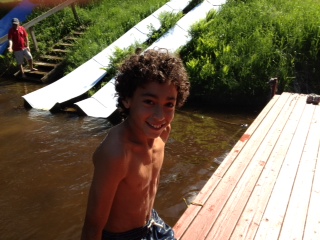
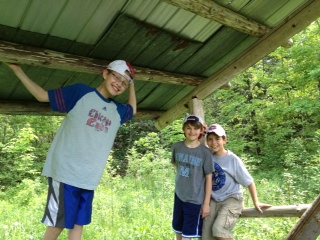
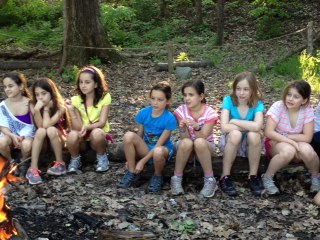
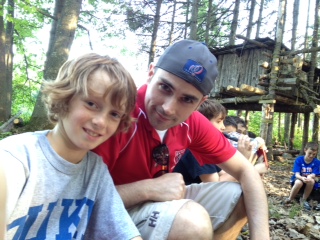
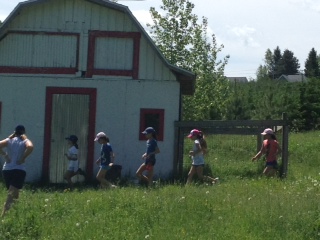
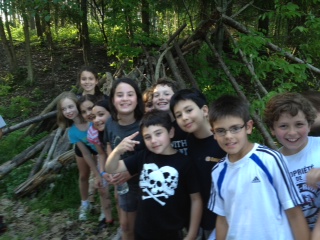
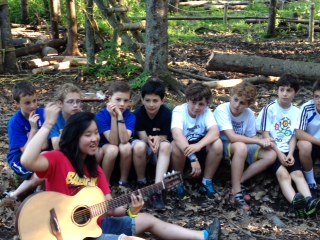
The first day of Classe Verte was a success! Upon arrival, the children participated in a treasure hunt followed by a delicious pizza lunch with fries and salad. In the afternoon, children enjoyed archery, rock climbing, BMX biking and the Tarzan swing! Afterwards, grade four had a wonderful surprise… Water slides!  For dinner we were served burritos, soup and salad. Then, after a group game outdoors, it was off to the campfire. Roasting marshmallows, telling stories and singing songs were the highlights. We can’t wait for tomorrow with so many more activities. — Sarah Kingsley, Grade 4 Teacher

Hockey de Rue

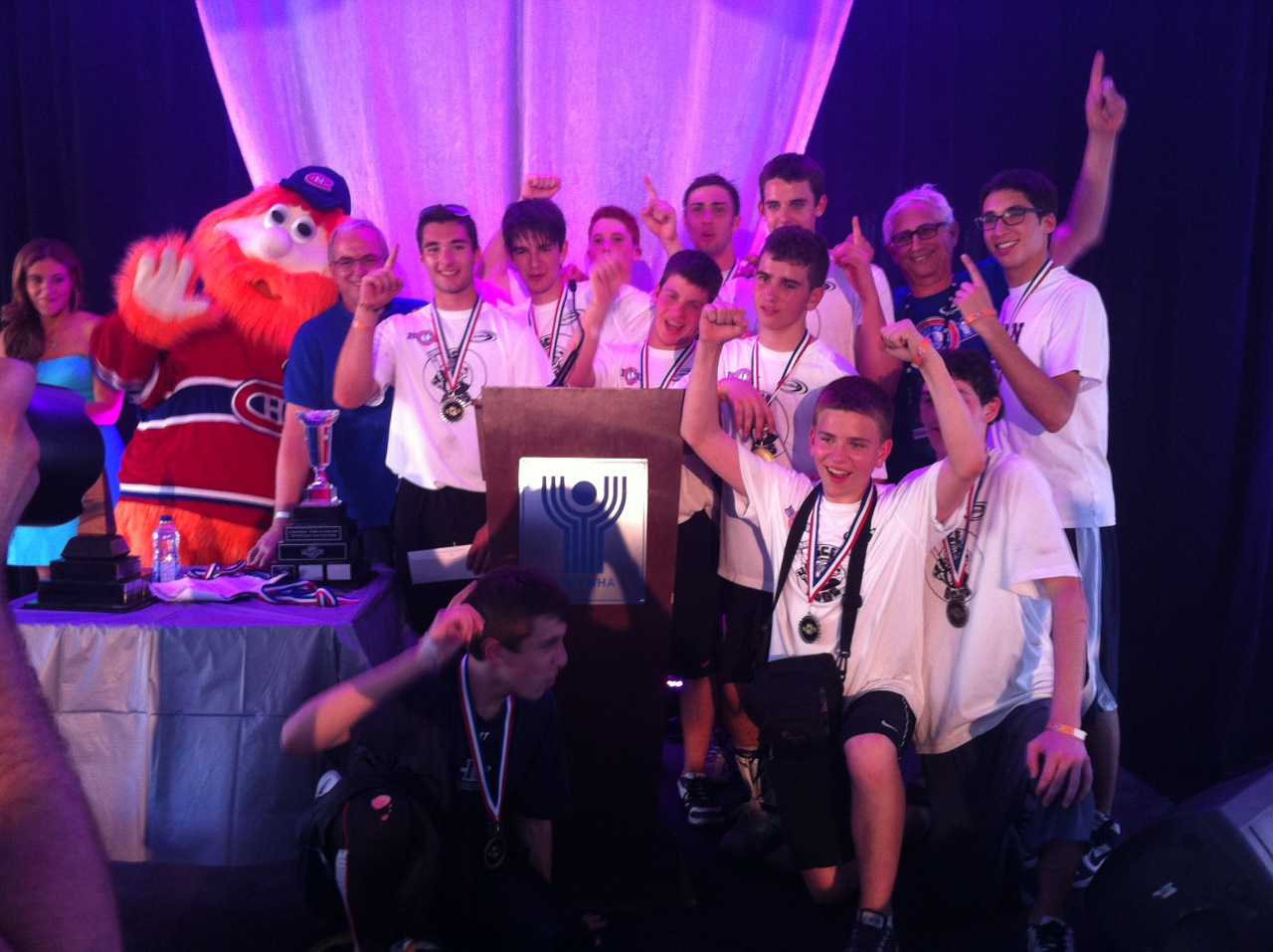
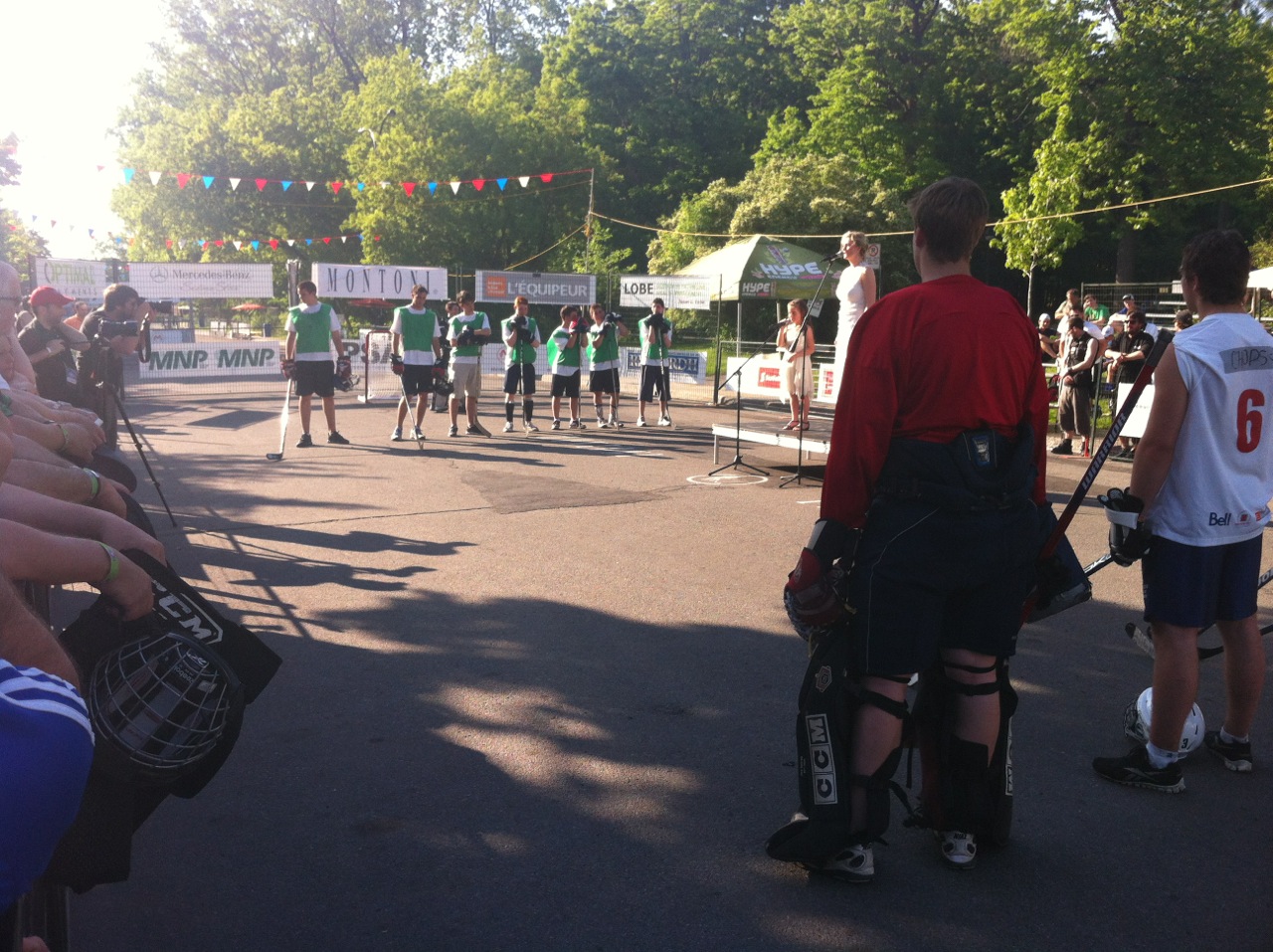
On the Victoria Day weekend, a group of LCC students put a team together for a ball hockey tournament called Hockey de Rue. The Montreal Canadiens sponsored it and the money raised went to the Montreal Canadiens Children’s Foundation.

We competed against Loyola, Selwyn House, Kuper Academy and many more schools. Our team got off to a slow start by tying our first two games. We won our last and final round-robin game and we placed 8th in the playoff rankings, which meant we had to play the 1st place team.

We pulled off the upset and moved on to the semi-finals. We won a tight game against MNP and met Kuper in the final. We went down by two goals early in the game but with the competitive drive of our team, we managed to tie up the game. At the end of the 3rd period the game was tied 4-4. We went into overtime thanks to the outstanding goaltending of Jordan Itzkovitz ’13.  Five minutes into overtime, Nathanael Niedermann ’12 scored to win the game for us!

After a beautiful day of ball hockey, we were awarded the trophy for winning the tournament and another trophy for raising the most money. Our team raised a total of $11, 219!—Giordano Saputo ’13

Watch video coverage and read more in Le Journal de Montréal