Our African Experience and HIV/Aids

This past summer, Melissa and I embarked on the trip of a lifetime. Not knowing anyone, we signed up to go on a community service trip to South Africa, Botswana and Zambia. All we knew was that the food may or may not be good, the people we’d meet may or may not speak English and the bugs may or may not give us malaria. What we didn’t know was that HIV/Aids would be the topic of conversation for 12 days out of our 25-day trip. We had known that Sub-Saharan Africa was more infected with Aids than the rest of the world. Out of all 35 million people infected with HIV/Aids, 25 million of them live in this region. But we didn’t understand that the majority of the people infected had little to no understanding of how to save their own lives.

To our knowledge, the first community we visited was where HIV/Aids had the most impact out of the rest of the towns we went to. This township was called Acornhoek, located just west of the famous Kruger National Park in South Africa. Acornhoek has a population of 150,000 people. 50% of this community is infected with HIV/Aids, which means 75,000 people are infected. The average income in this region is 300 to 1000 rand a month, which translates to a maximum of 120 dollars per month, which only covers 14% of the monthly cost of ARV’s, the aids treatment medication that lessens the symptoms. The cost of ARV’s is from $10,000 to $15,000 a person PER YEAR or $833 PER MONTH.  This fact is not only extremely sad, but it is also very scary.

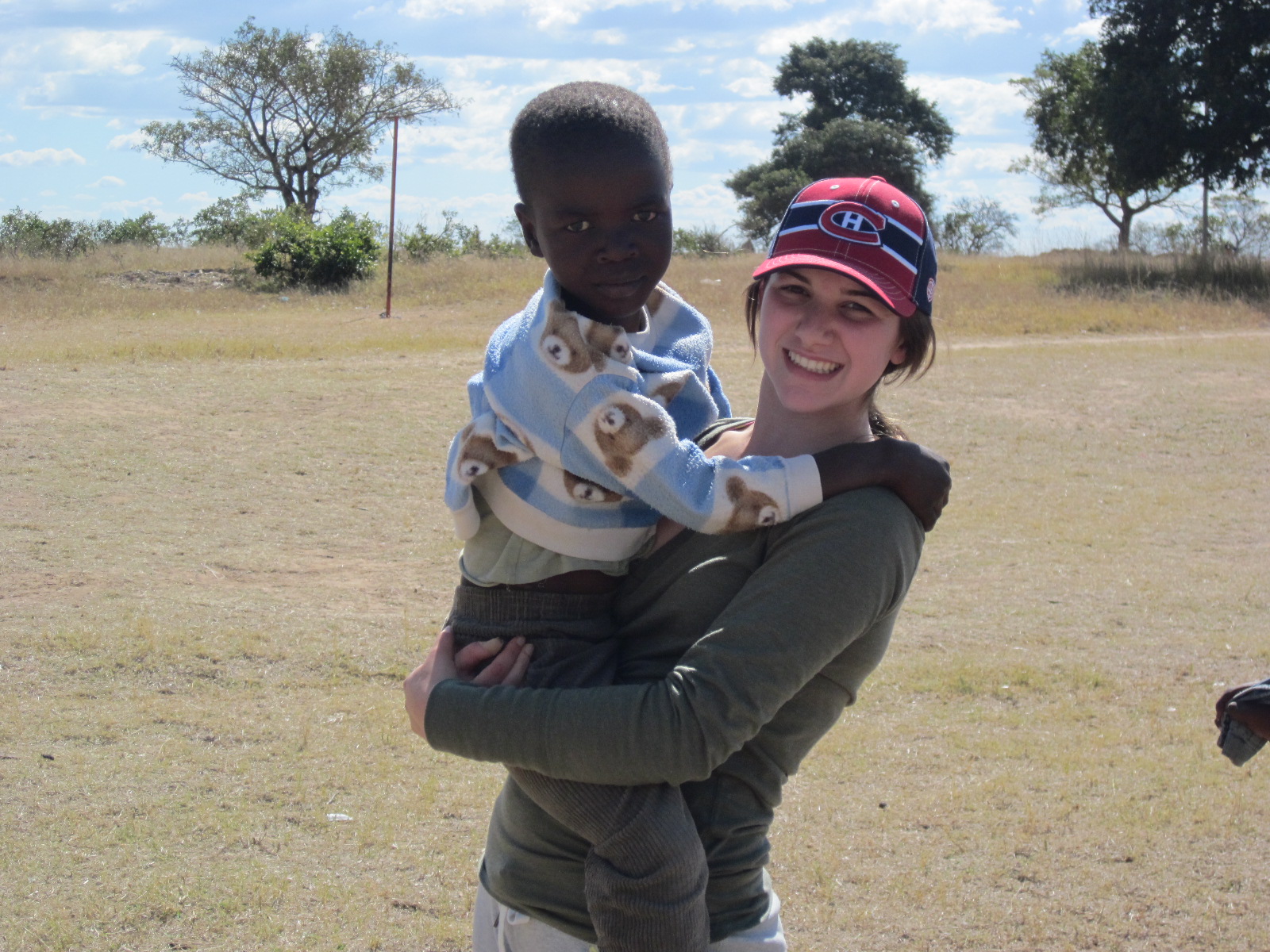
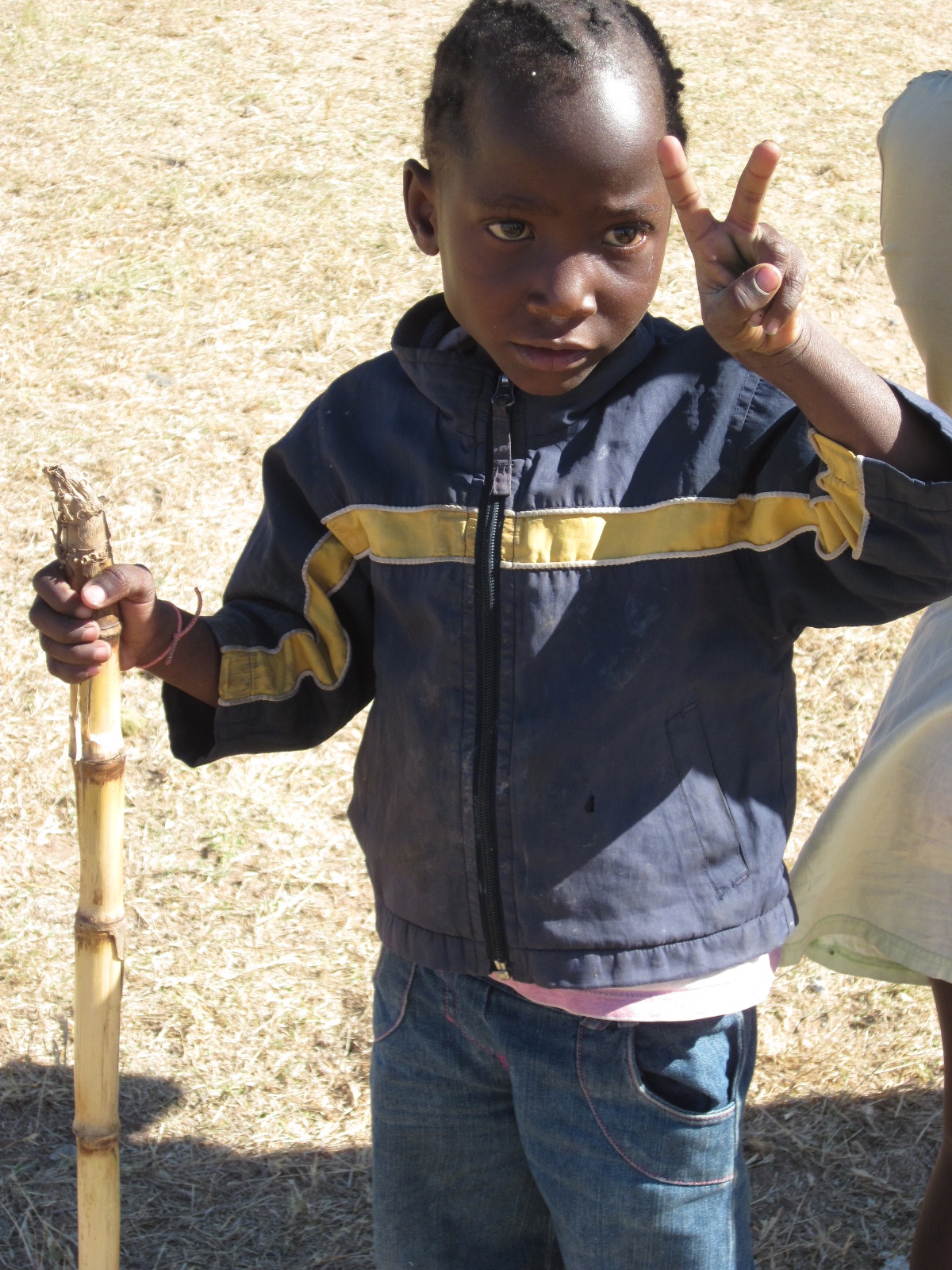
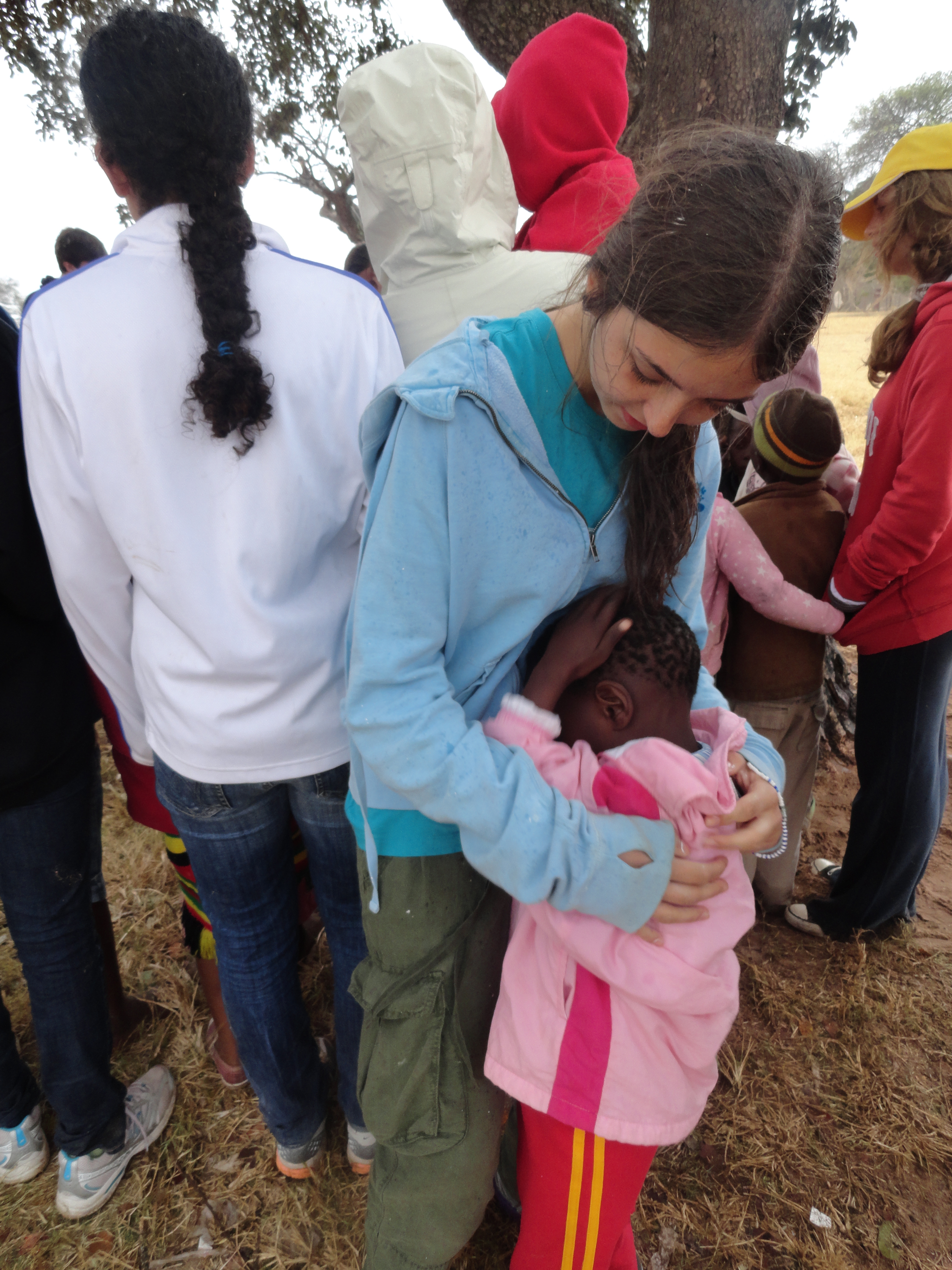
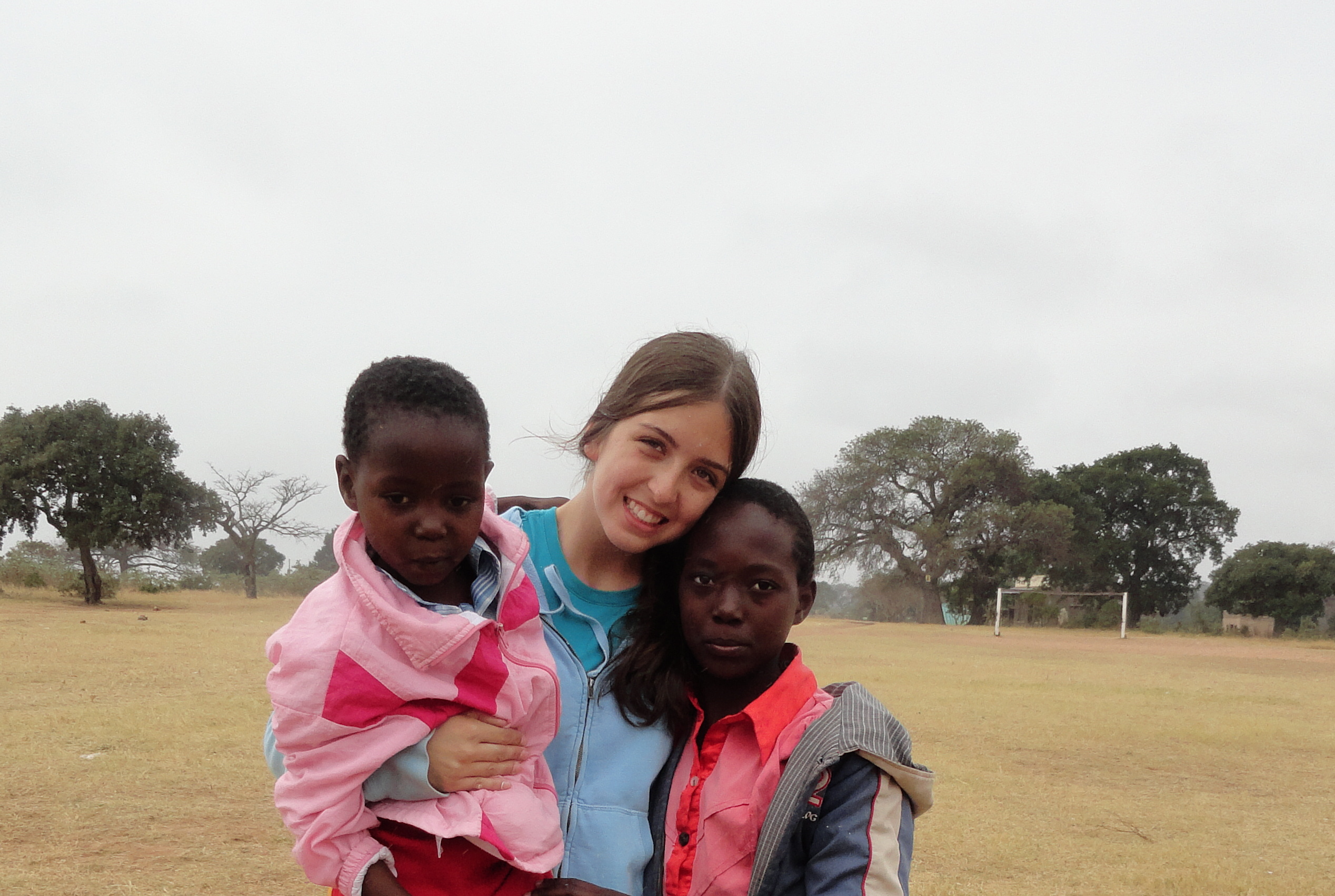
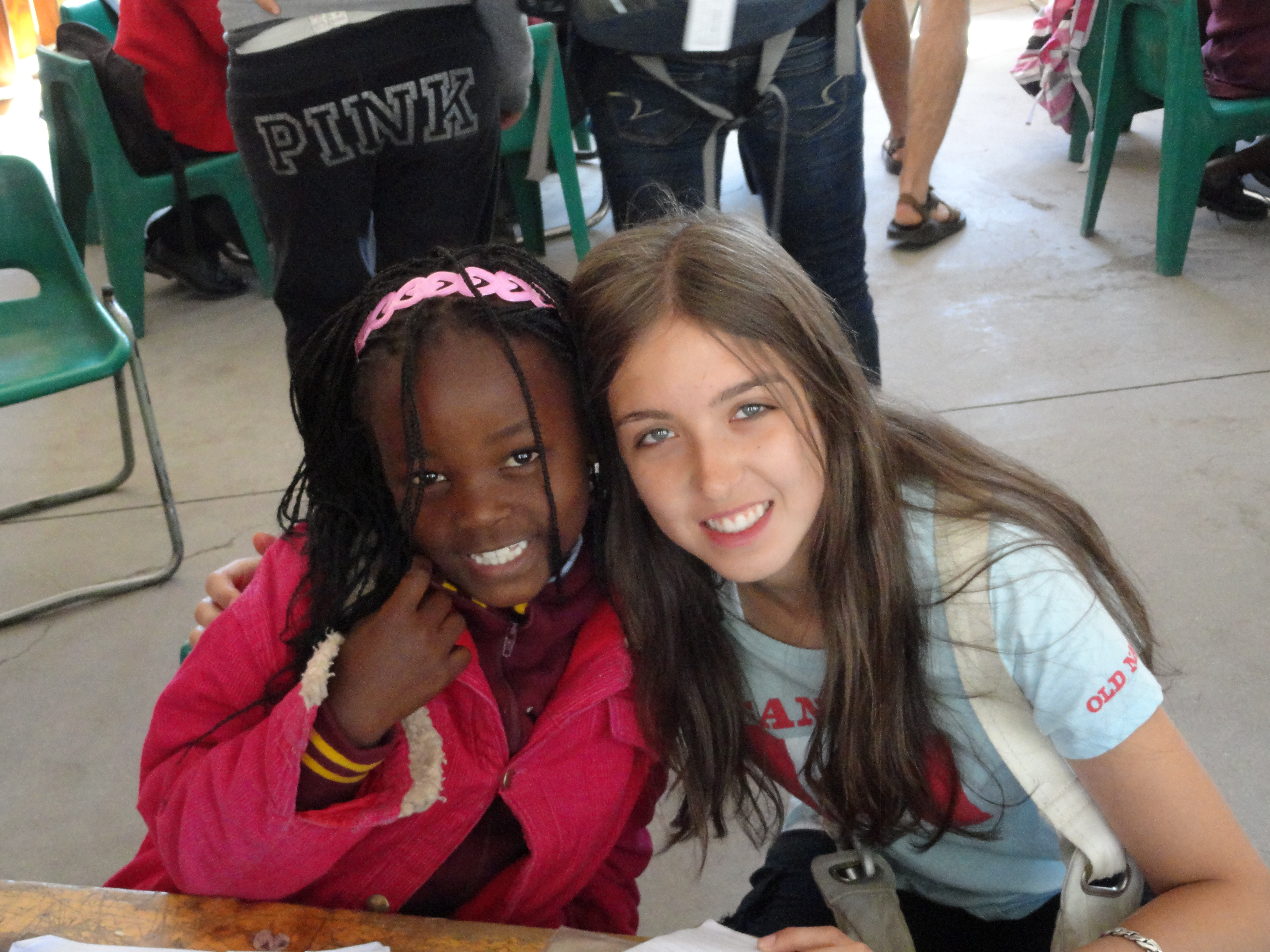
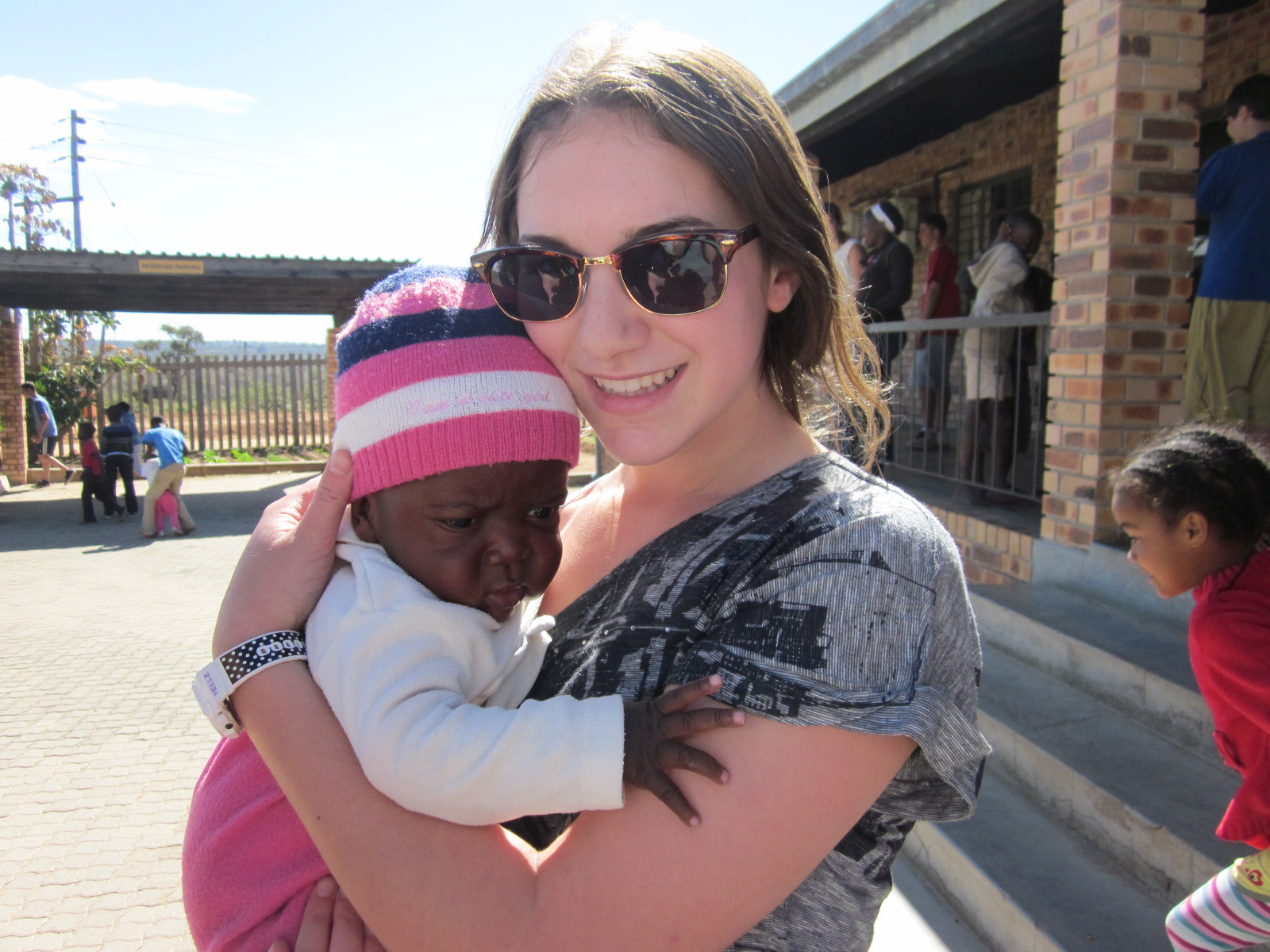
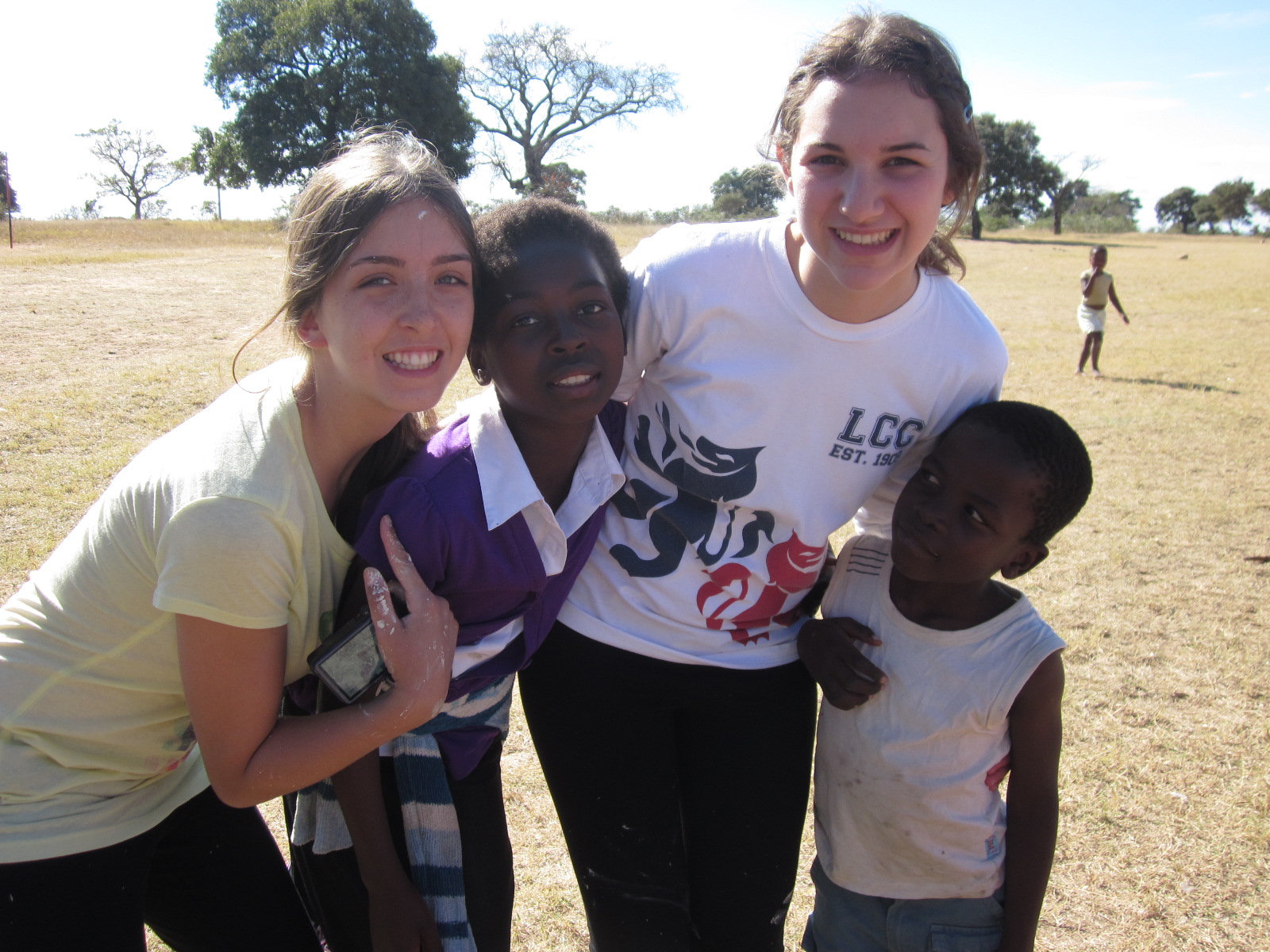
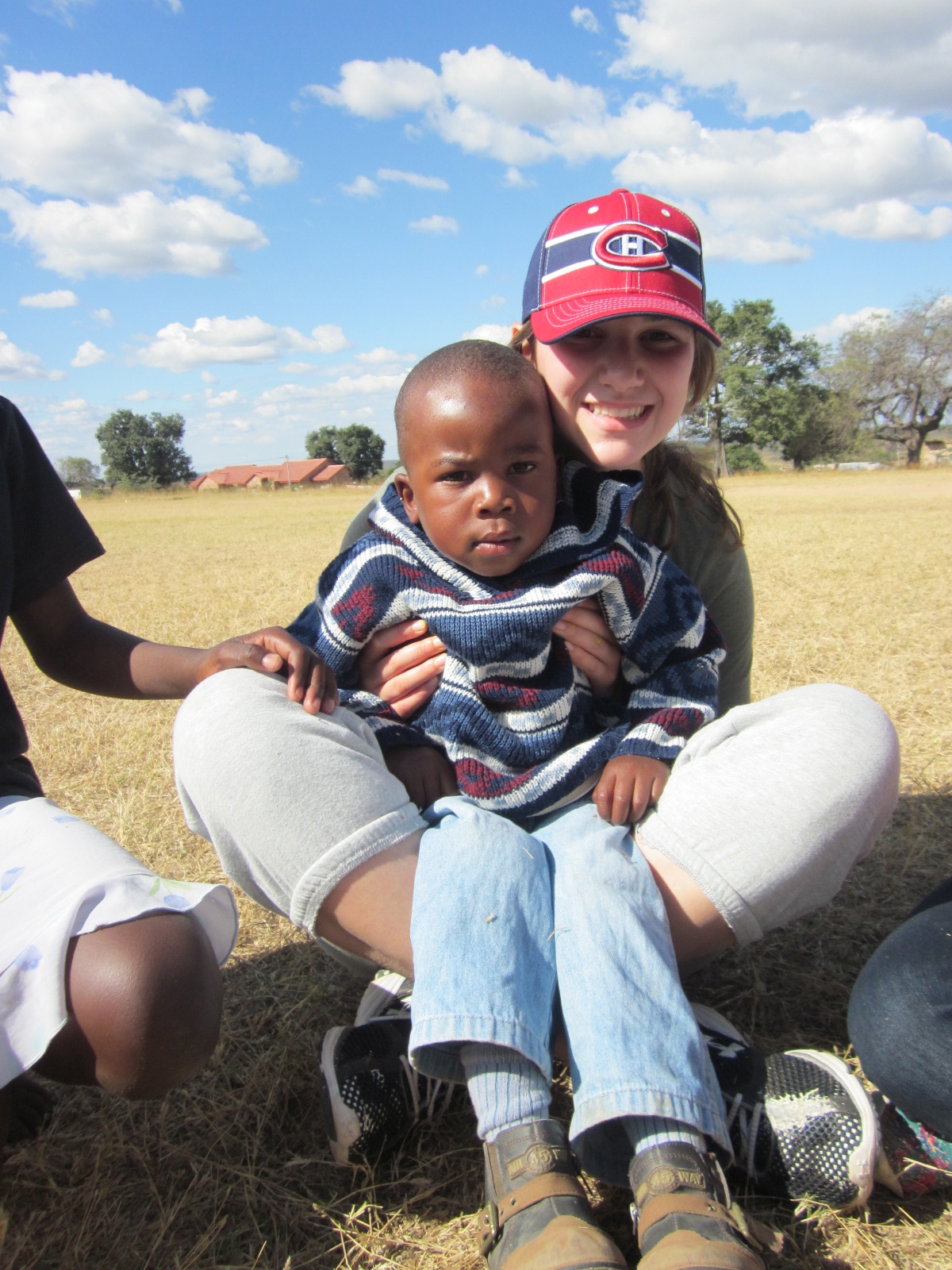
We worked five days in a smaller village within Acornhoek, at  the Sihlekisi Primary School. This school was government funded, however, the caliber of the teachers and the curriculum was questionable. In the schools, they learn very basic things about HIV/Aids prevention, but it is often times countered by the stigmas in their culture. Another problem is that the things they learn about HIV/Aids are in English, and the children understand very little English. The children were on their break when we were there, so they came to schoolyard everyday to play, and everyday they returned wearing the same dusty clothes, the same bare feet and the same smile running from ear to ear. Despite the 50% chance that these kids were fatally ill, and that they were extremely poor, they always had a smile on their faces and were ready for any game of soccer or any hand game we had prepared. The hardest part was that we couldn’t believe that our new little friends might be sick. It didn’t make sense to us that a child so happy and so pure could have HIV/Aids. The realization when we were given the 50% statistic hit us like a brick. It just made no sense.

One of the nights we spoke with an older Afrikaans man named Pieter; he owned the lodge that we stayed at near Acornhoek. He was the man who told us of the fate of 50% of the children, and he explained the stigmas of the native African people in Acornhoek. The first stigma he explained was the city theory. This theory is that women believe HIV/Aids come from the city, mainly Johannesburg. They believed this because the men often go away to work in Johannesburg for six months at time. When they are there, the women believe that they get lonely and hire prostitutes. When they come back home to their isolated villages, they force their wives to have unprotected sex because they view condoms as a symbol of betrayal and distrust. More often than not the women, the men and their children wind up getting infected, which only validates the assumption women make that their husbands are cheating on them.

Once contracting HIV/Aids, the people view it as a consequence to sinning and are completely shunned. Women will hide when they bottle-feed their children, as using bottles is a sign of sickness. Another reason to be shunned in these types of villages is to want a better life. The people who leave to get higher education in Johannesburg or Cape Town often times cannot return home, because they are seen as traitors who leave their families behind. This causes a lot of trouble because we all know that with education comes knowledge on prevention and, obviously, success. A successful person within these communities is exactly what they need for motivation, and that very rarely happens because people do not want to be excommunicated.

Another one the major problems is the government’s release of false prevention tactics. In 2005, a 31-year-old woman who was known to have HIV accused Jacob Zuma, who is now president of South Africa, of rape. Jacob Zuma insisted that it was consensual, however the girl still kept pressing charges. The problem in all this was that it came up that he did not use a condom, even though he knew she had HIV. In response to that, Zuma stated that he took a shower to, quote on quote, “cut the risk of contracting HIV.” HIV/Aids specialists and health educators tried desperately to clear this mess, however, in a country where HIV/Aids is so widespread, it is RIDICULOUS that a political leader would say something so untrue and detrimental to the health of his own country.

Many of the children in these towns have been orphaned by the HIV/Aids epidemic. Since many of middle-aged parents are dying due to the sickness, the grandparents of the children end up being their caretakers. The elderly have no source of income because they are too old to work. Essentially, this also makes them too old to care for children, and the government has no pensions or funding for guardians. Currently, there are very few organizations that care for the elderly. Since the grandparents and parents of children have such a high mortality rate, children very often become orphaned, which has grave consequences. When children, mainly young girls, cannot support their families, they resort to prostitution. This leads us back to the spreading of HIV/Aids mentioned before. The entire process seems to go around in circles.

After our trip, we came home with so much more insight on what our role was in the future pertaining to HIV/Aids prevention. This trip has forever made us activists on what Africa really needs in order to stop this epidemic. They don’t need shoes, because they won’t wear them. They don’t need toys, because that causes dependence. They need money for ARV medication, they need care for the elderly, and they need knowledge and a change of view on condoms. What they really need is access to education – not the tangible things we can give them. They need to learn how to take care of themselves, because if we do it for them, they will never learn. The money you all have donated to the Stephen Lewis Foundation will give them treatment, care for the elderly and education. When it comes to Africa, give back in ways that will improve health and education, because with health and education comes a better life.

Help prevent HIV/Aids, help save Africa, help save the world. Thank you.—Melissa Cape ’12, Alexandra Storozum ’12
Duke of Excellence at LCC

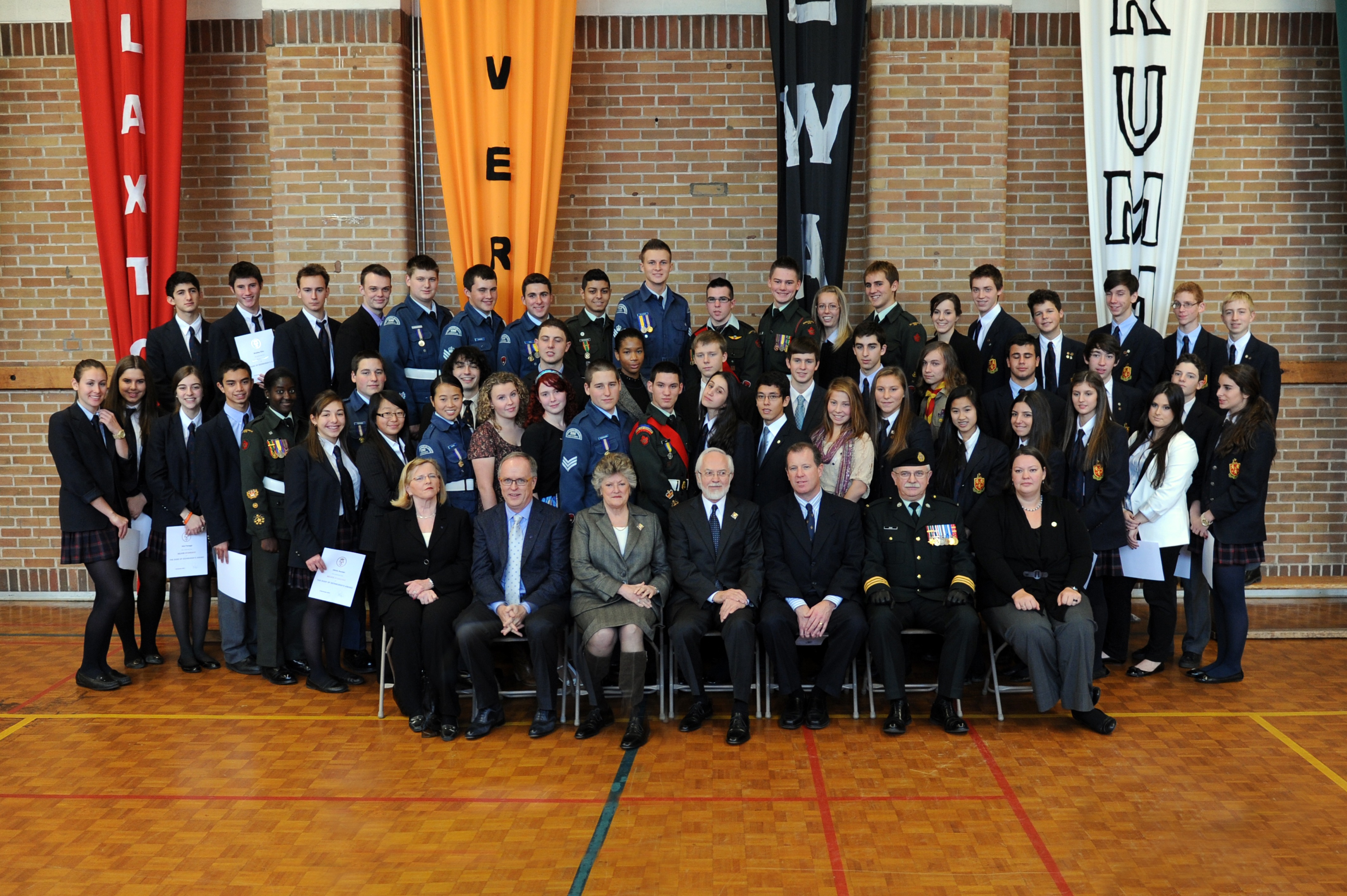
If you read the “news” section of our website you will note that pomp and ceremony paid a visit to LCC last weekend – and it was impressive (see:  Students receive Duke of Ed Silver Award)!  LCC was the site of a special ceremony to recognize Silver Duke of Edinburgh Award winners across the province of Quebec, hosted by His Honour Pierre Duchesne, Lieutenant Governor of Quebec.

At the provincial level the Lieutenant Governor represents the Queen and our collective heritage – and also actively promotes Canadian values and programs that are symbolic of what we value in our country.

Mr. Duchesne is an ardent supporter of the Duke of Edinburgh Award Program as it has a strong reputation and operates across Quebec, Canada and around the world in 130 countries.  It is a program that recognizes youth leadership, commitment and personal initiative beyond academics.  More than 7 million young people have participated since its inception in 1956.

All participants challenge themselves by involvement in four specific areas. A large emphasis is placed on skill acquisition and learning through service.

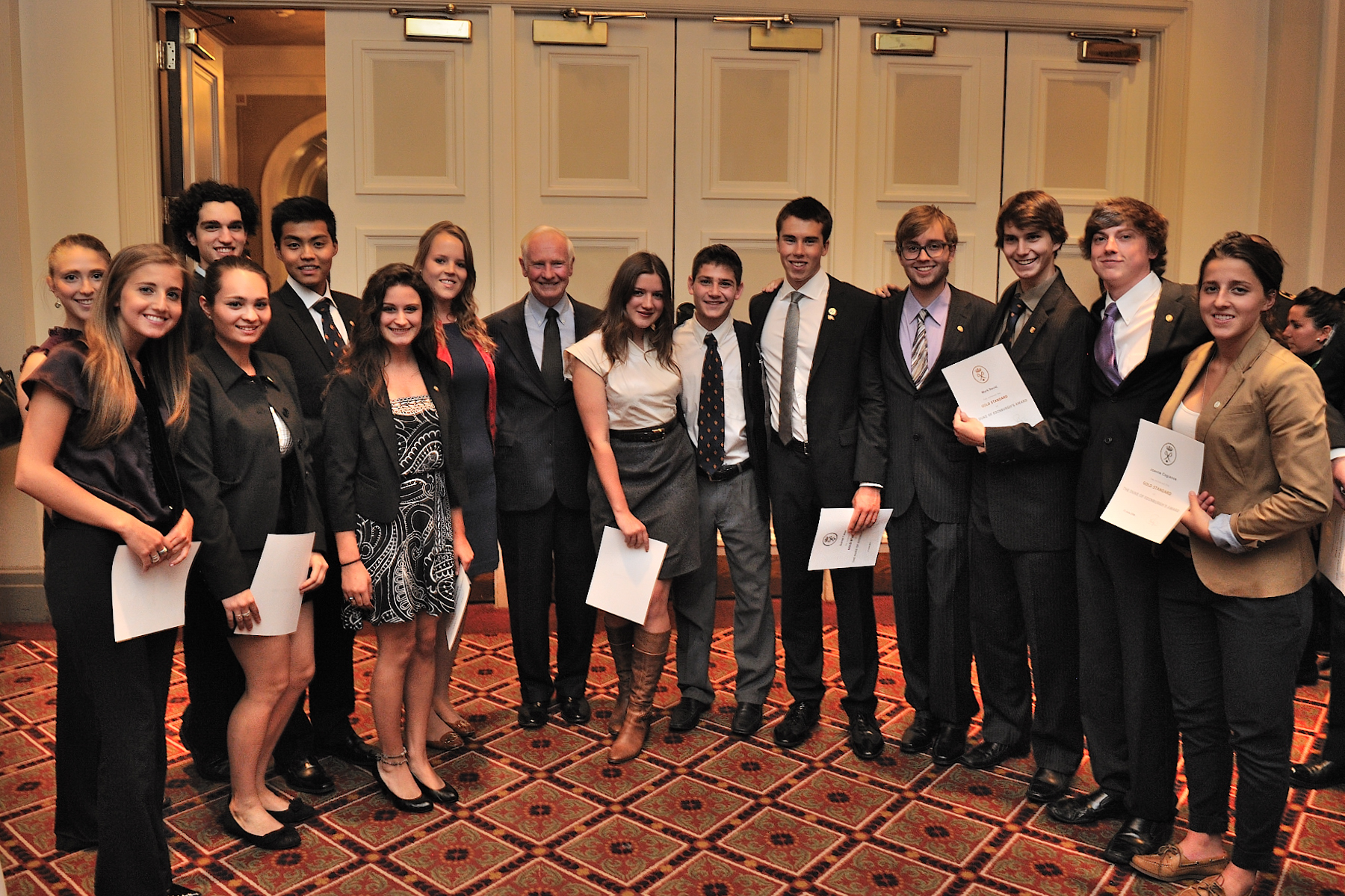
There are three levels of the award:  bronze, silver and gold – and last Saturday’s awards were all at the silver level.  Sixty-five were given to young Quebecers; impressively, more than 40 of them went to LCC students.  Earlier this fall, the Governor General of Canada, David Johnson, presented the coveted gold Duke of Edinburg awards in Québec City.  Thirty-eight LCC students were there to receive their Gold Award – significantly more than any high school in Canada.  What a fantastic indicator of achievement in our school.

We have outstanding students with a collective commitment to be leaders today and throughout their adult lives.  My personal congratulations to all award winners – very impressive!—Christopher Shannon, Headmaster

Paris Échange: Les Champs Elysées, l’Arc de Triomphe et la Tour Eiffel

Dans deux jours, je retourne au Canada. Honnêtement, je peux dire que ces six semaines en France étaient vraiment quelque chose que je chérirai toute ma vie. Cette expérience m’a appris à avoir davantage confiance en moi et dans les autres.

Avant le départ pour Montréal, je vais rester à la maison avec Gwen et sa famille pour être ensemble et regarder des films. Durant cet échange, j’ai rencontré plein de personnes avec lesquelles je vais rester en contact grâce à Facebook.  Samedi, la mère de Gwen m’a emmené à Paris avec Gwen pour faire une journée entière de shopping. On était au Printemps et aux Galeries Lafayette pendant une journée! C’était vraiment fatigant! On a marché dans ces deux magasins pendant 8 heures. Après, nous sommes allés dans un café très célèbre qui s’appelle Angelina où j’ai mangé le meilleur millefeuille du monde.

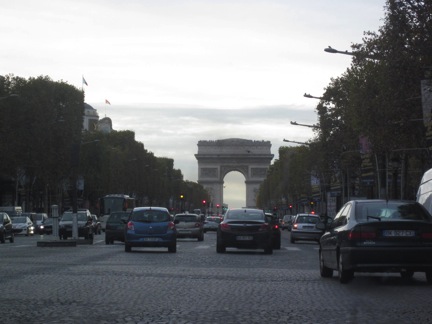
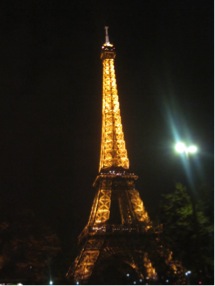
Dimanche, nous avons eu la plupart de la journée pour nous détendre et faire des devoirs. Dimanche soir, les parents de Gwen m’ont montré Paris la nuit. J’ai eu la chance de voir les Champs Elysées, l’Arc de Triomphe et la Tour Eiffel illuminés. Durant ce tour, j’ai appris que la « vraie » statue de la Liberté est en France et que celle de New-York était un cadeau donné par les Français.

En fin de compte, mon séjour dans ce lycée a été incroyable et je ne l’oublierai jamais.—Brooke Stein ’13

International Round Square Conference – England – 2011

RoundSquare-England2011October 25, 2011

I’ve been to numerous conferences in my lifetime.  Although the conferences have been useful, in most cases I can’t really say they were exciting. Perhaps a speaker was particularly dynamic or perhaps I was exposed to a new idea. Round Square conferences, however, are very exciting. It is definitely a thrill to see the smiles on the young delegates faces and at times it is impossible not to be completely swept away by their enthusiasm and positive energy. A very common comment from the young delegates at the end of these conferences is “that was the best time of my life.”  Now I know that young people can be impulsive and impressionable, but nonetheless it feels very good to hear such a positive comment after an activity, which is intended to enrich the educational experience. I guess we could say that youth conferences like the ones of Round Square accomplish great things.

As educators we hope that the young Round Square delegates will learn more about issues related to the Round Square “IDEALS” – Internationalism, Democracy, Environment, Adventure, Leadership and Service. For sure the conferences address all of these “IDEALS.” However, for the students the excitement of meeting so many young people from around the world is probably the biggest thrill. They listen intently to the speakers, they attend the “barazza” groups (student-led discussion groups), they participate enthusiastically in all of the activities and they do not cause any difficulties to the adult supervisors. But when they attend the plenary sessions that are more oriented to social interaction and entertainment, the enthusiasm simply explodes. To be in the middle of eight hundred 15-16 year olds who are all waving flags from countries around the world, swaying back and forth in unison to the hit song “Wavin’ Flag” by K’naan – well – truly exciting. In fact for many of us adults, it brought tears to our eyes. Too bad all of you could not experience this. The students will remember this positive experience for the rest of their lives and I will too!– John Gordon, School Counsellor

Échange St-Vincent, France: Tour Eiffel, Champs Élysées, Venise..

24 octobre 2011

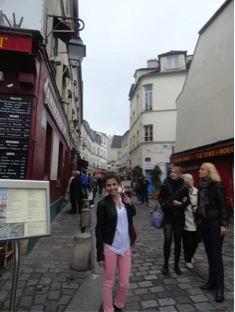
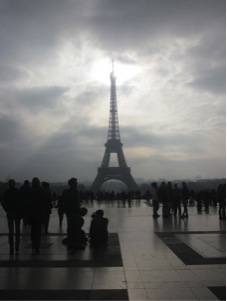
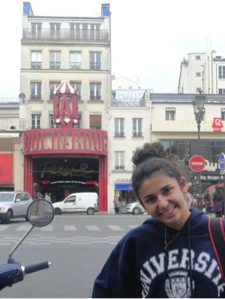
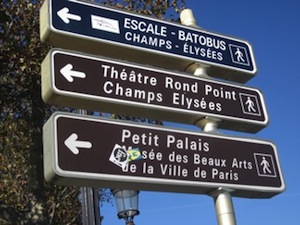
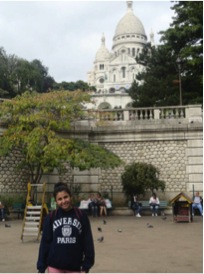
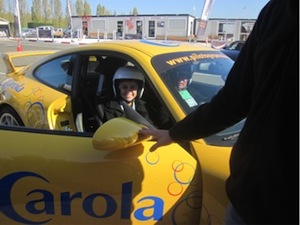
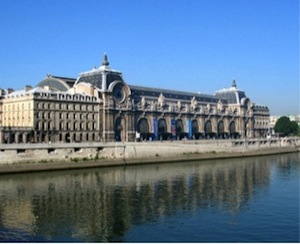
Ce n’est pas possible! Il me reste que 3 semaines! Je suis allée à Montmartre et au Sacré Cœur avec les correspondants australiens et argentins. J’ai vraiment aimé Montmartre parce qu’il y avait beaucoup de petits magasins et notre professeur nous a donné du temps libre pour faire un peu de magasinage. J’ai finalement acheté un chandail de l’Université de Paris. On a aussi visité le Moulin Rouge. Le lendemain, nous sommes retournés à Paris. Le matin, nous avons visité le Musée D’Orsay pour voir les célèbres peintures de Vincent Van Gogh. Après, on a pris le métro pour aller aux Champs-Élysées où on a fait du magasinage pour le reste de la journée. Vendredi soir, nous sommes allés à une soirée où j’ai eu l’opportunité de parler à d’autres étudiants du lycée. Dimanche matin, la famille de Gwen m’a amenée à une course de voiture. J’ai pu faire deux tours de circuit dans une Porsche GT3, qui est la plus rapide sur le marché. C’était vraiment quelque chose d’épatant et un souvenir que je chérirai toujours. Lundi matin, j’ai fait mon dernier voyage à Paris organisé par le lycée. Maintenant, c’était juste avec les correspondants argentins parce que les Australiens sont partis. Nous avons visité les environs de Paris sur le Batobus et aussi grimpé au sommet de la Tour Eiffel.

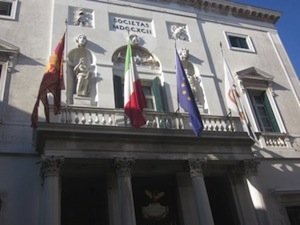
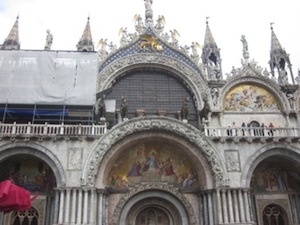
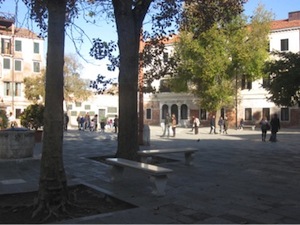
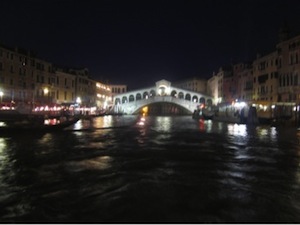
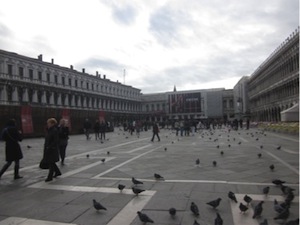
La semaine suivante, je suis allée à Venise en voyage de classe pendant 4 jours. Le premier jour, nous étions extrêmement fatigués, mais prêts à découvrir Venise. Notre premier arrêt a été pour le déjeuner. Les enseignants nous ont donné 45 minutes pour trouver un endroit pour manger. Après, nous nous sommes retrouvés à la Piazza San Marco, afin de commencer notre visite guidée autour des principales attractions de Venise. Le deuxième jour, nous avons visité de nombreux musées, dont La Biennale di Venezia qui a été une Exposition internationale d’Art. Le troisième jour, nous avons visité de nombreuses cathédrales et le célèbre opéra, La Fenice. Les professeurs nous ont donné du temps libre pour se promener autour de la Piazza San Marco et nous avons marché autour de la Piazzale Roma où il y avait beaucoup de magasins et de cafés. Après cela, toute la classe s’est retrouvée et nous sommes allés voir une symphonie de musique romantique française. Le quatrième jour, la France était en finale contre la Nouvelle-Zélande au Rugby, la plupart de la classe est allée regarder le match. Avec le reste de la classe, nous avons visité le ghetto juif. Dans le celui-ci, nous avons visité trois synagogues. L’une était la synagogue vénitienne, l’autre était la synagogue française et la dernière était la synagogue allemande.—Brooke Stein ’13