Travel: The Greatest Teacher

Cuba day 2 5“Travel,” wrote Mark Twain, “is fatal to prejudice, bigotry, and narrow-mindedness”.  Even ancient thinkers realized the value of travel as the best way to build respect for others and identify the inherent value of cultural difference. Theologian and philosopher St. Augustine stated in the 4th century that: The world is a book and those who do not travel read only one page.”
Indeed, travel Is about experience. It doesn’t just help one to imagine a place – it is about feeling a place, it’s culture and rhythms. Inherently, this challenges norms and routines and broadens perspectives and one’s limited understanding of the world.

Travel allows people to visit places of heritage, historical significance, places with unique cultures vastly different from one’s own.  The impact of experiences lived abroad can be very lasting.

At the time of a journey, one is caught up in the immediacy of doing – it’s only afterward that one has a chance to interpret it, put it into a greater context, and fully appreciate it.

So many of our students were fortunate to travel over the recent March Break. In the process, every student who went away had a unique opportunity to learn and grow. The school organized three memorable trips.

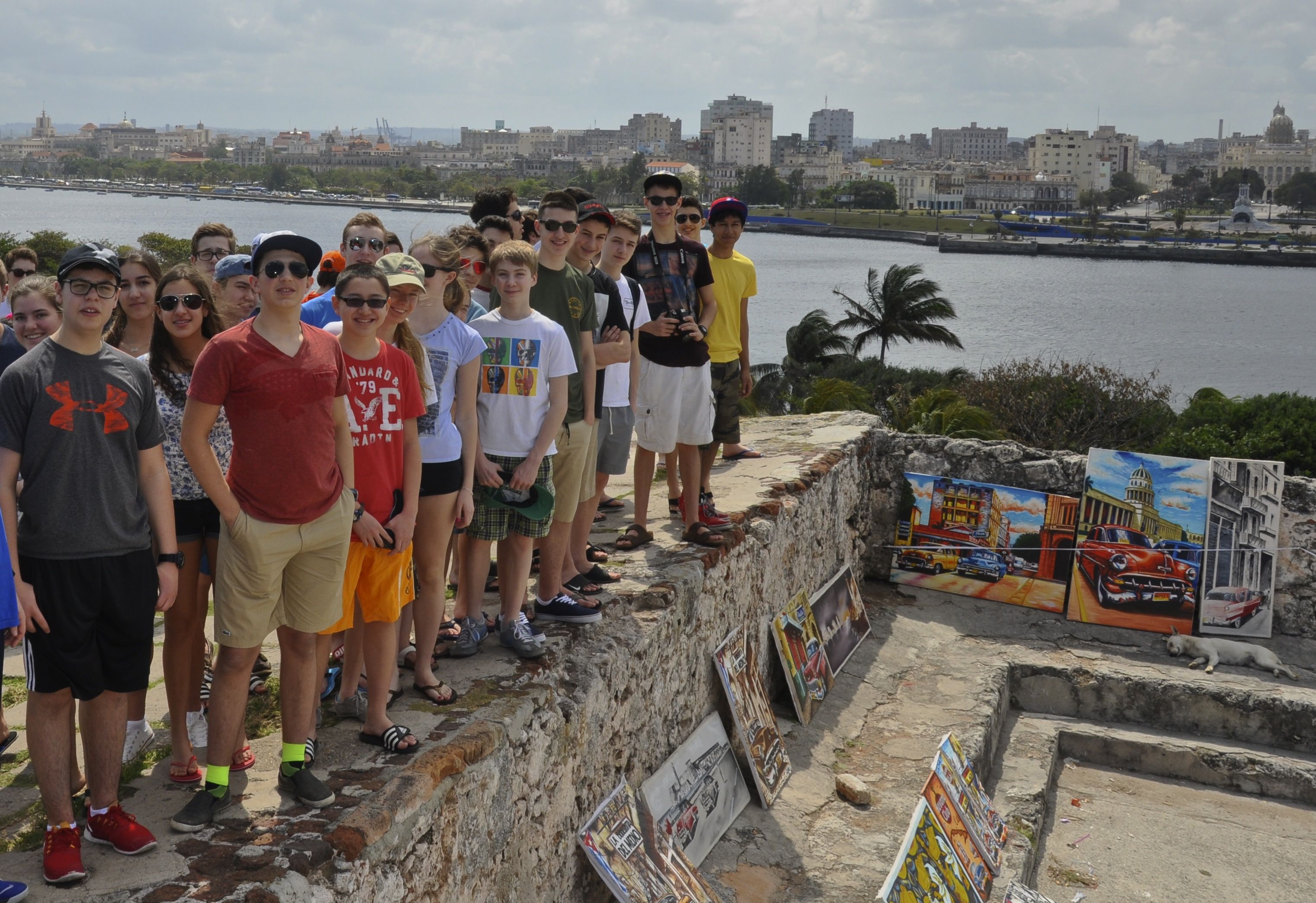
Fifty-five (55) members of the LCC Senior Band journeyed to Cuba. They were able to perform in a unique setting and gained a better appreciation of Cuban culture, the country’s communist political system, and the deeply alluring Latin rhythms engrained in Cuban life. Our music teachers are very well travelled and they rank this trip among the very best they have ever participated in with a group of music students. They were proud of our students!

Our Senior Hockey team went on its bi-annual trip to Europe – this year to Croatia, Slovenia and Italy.  Coach LLano has long said that each and every one of these journeys is more of an opportunity to expose students to old-world cultures than about simply competing to win on the rink. Yes, the hockey was fun and went well, but the boys gained important exposure to new cultures and communities and they each have many lasting memories.

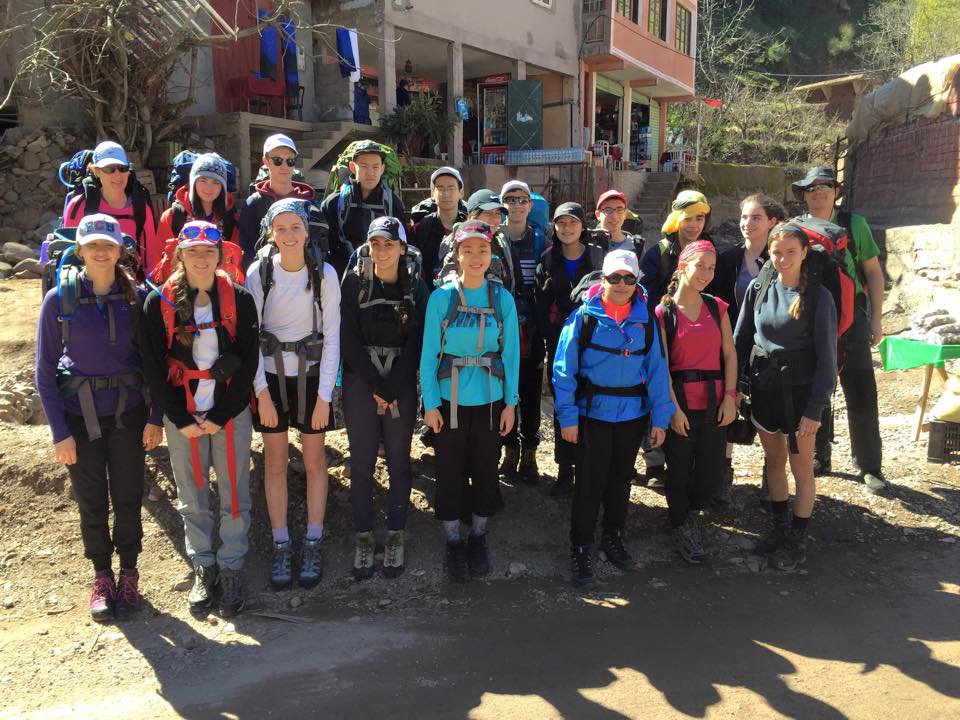
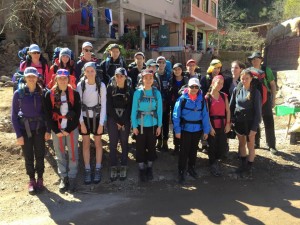
This year’s Duke of Edinburgh Gold Trip took more than twenty students to beautiful Morocco in West Africa. The group gained insights into Arab culture, visited the mysterious “Souks” of Fez and Marrakesh, and trekked the beautiful snow-covered Atlas mountains. Faculty leaders Mr. Salkeld, Ms. Owen and Monsieur Maurice were very proud to travel with our students – many of whom had to physically push themselves hard while on the multi-day hike in the mountains.  So much was learned while away.

At Tuesday’s assembly I asked each of our students who was fortunate to go away on the break to be sure to think and reflect on what was seen and experienced. The many memorable experiences will take awhile to sink in.

Regarding the importance of travel, Mark Twain also said:

“Twenty years from now you will be more disappointed by the things you didn’t do than by what you did do. So throw off the bowlines, sail away from the safe harbor. Catch the trade winds in your sails. Explore. Dream. Discover.”

I agree with Twain. Travel is the greatest teacher – a wise and savvy teacher. We want our students to open their eyes, hearts and perspectives though meaningful experiences. These are critical to their personal growth and development. – Chris Shannon, Headmaster


Échange en Afrique du Sud – Journal #6: Je dis à la prochaine !

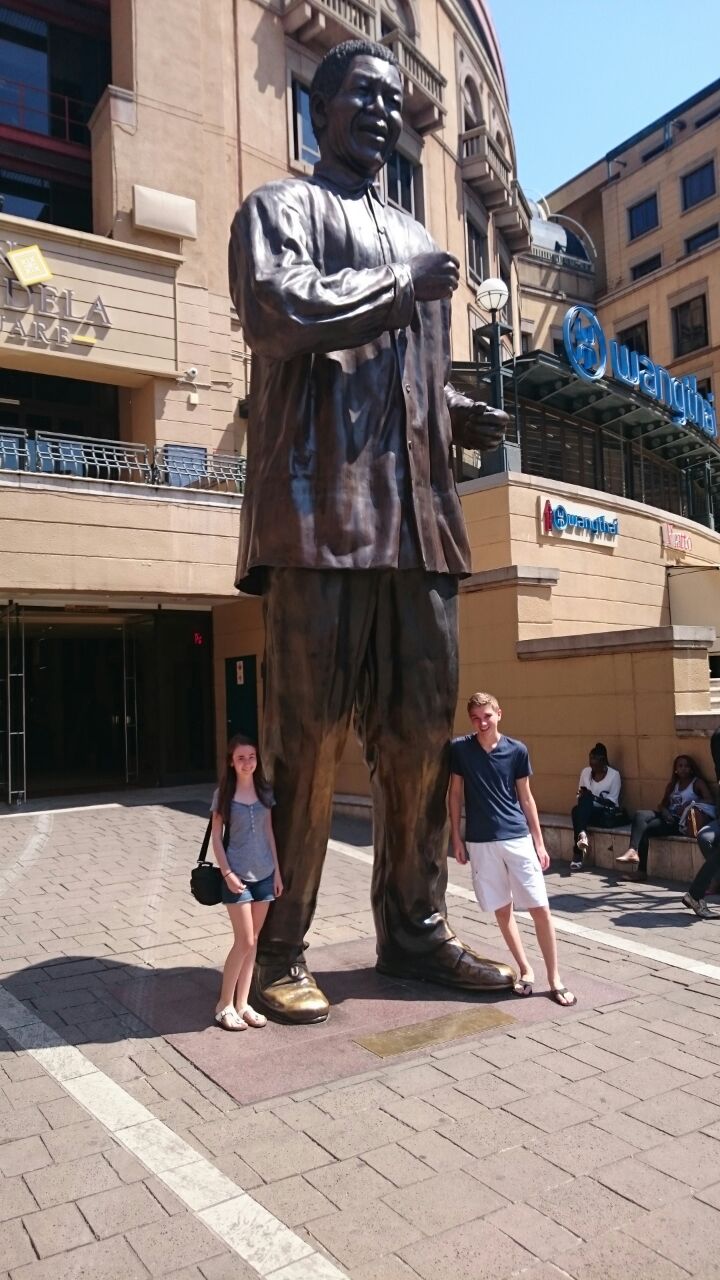
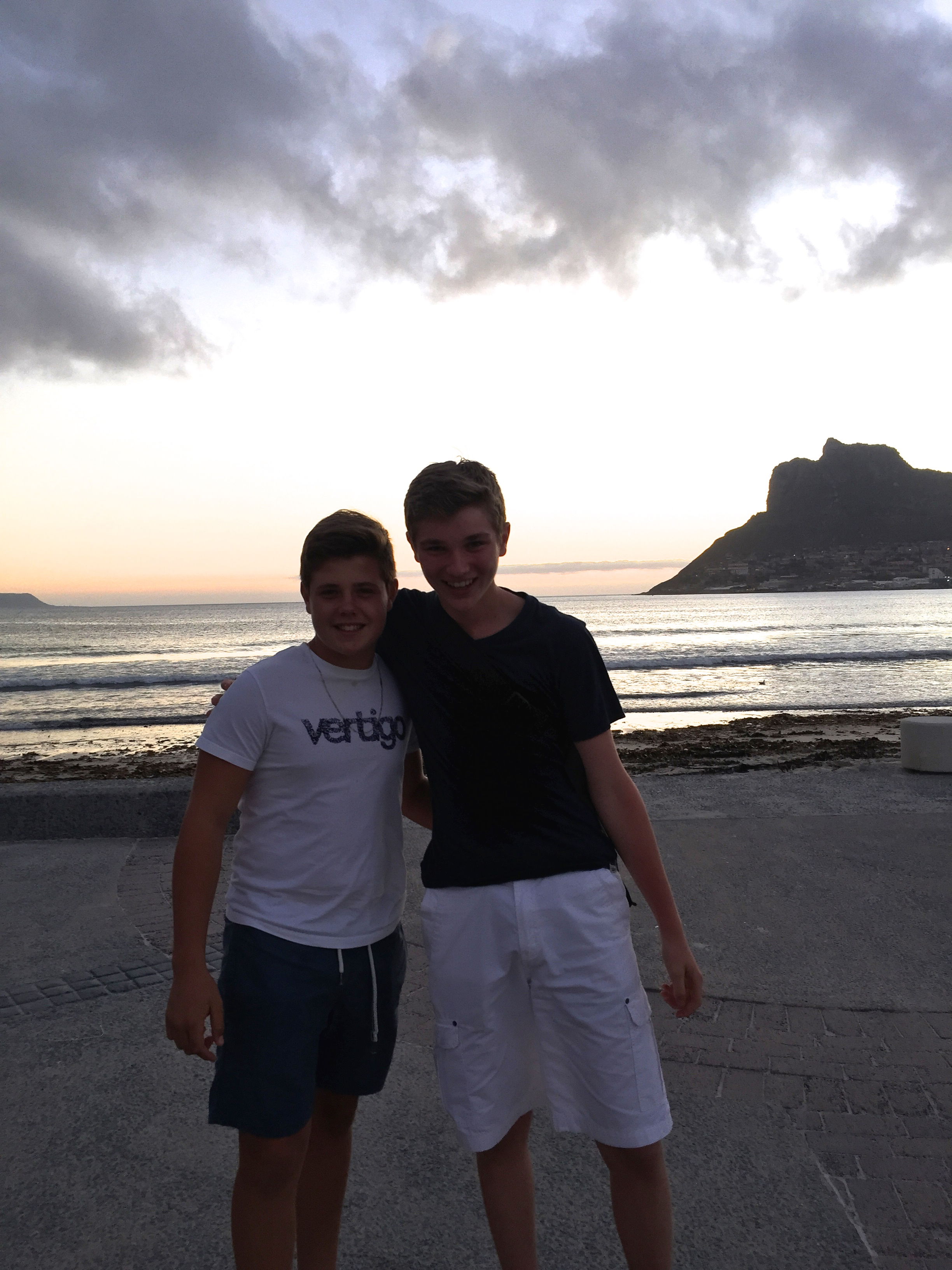
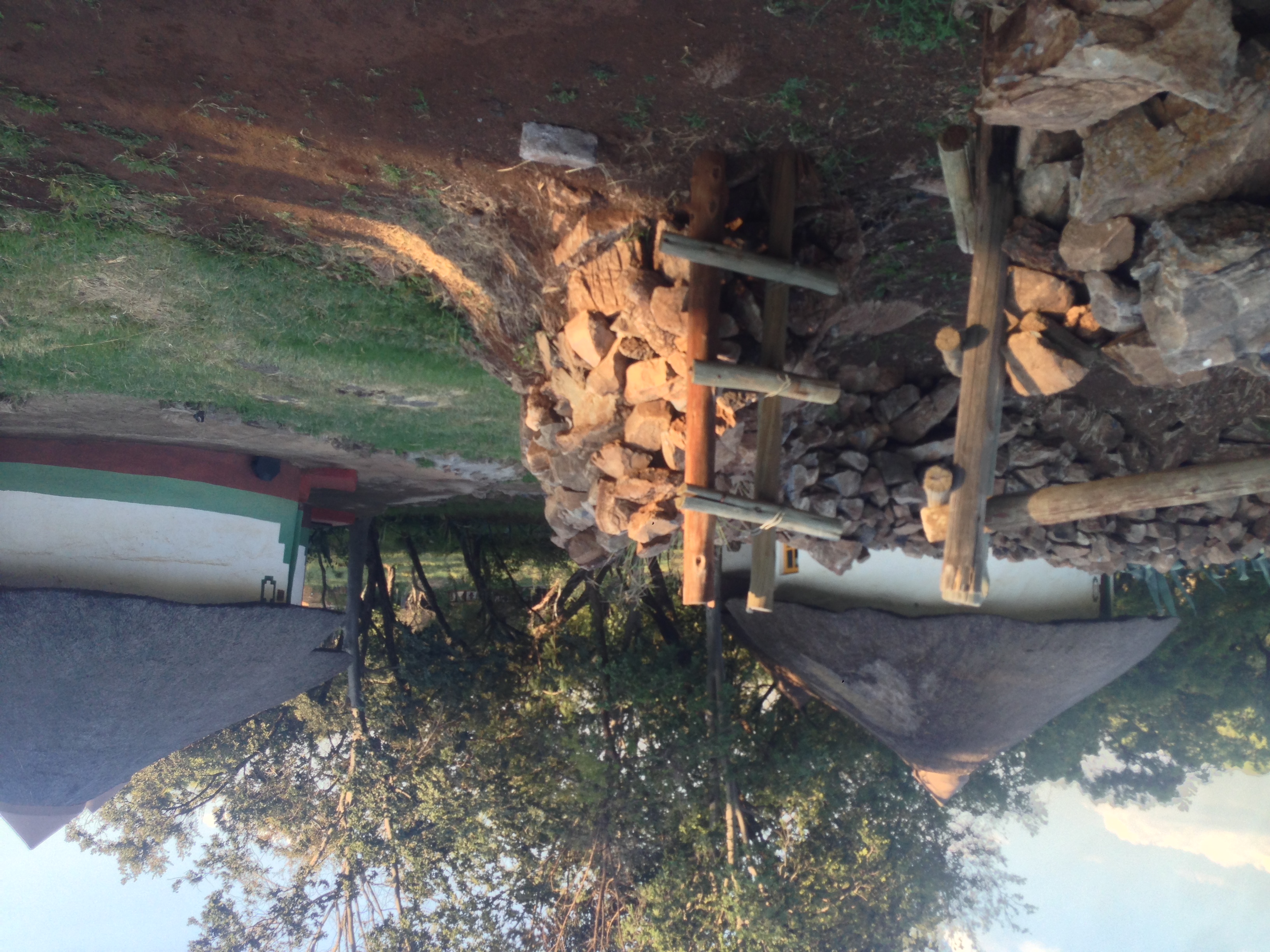
IMG_0472Mes deux dernières semaines à Joburg étaient plutôt calmes. Le dimanche dernier, je suis allé visiter un centre d’apprentissage de culture africaine appelée « Lesedi, » composée de quatre groupes de la région : les Zulu, les Xhosa, les Basotho et les Pedi. Là, j’ai exploré des répliques des villages typiques de ces clans : leurs maisons, leurs cuisines, où ils garderaient leurs animaux et leur nourriture et ce qu’ils portent en tant que vêtements. Le savais-tu que pour s’épouser, un homme zulu devrait acheter sa femme pour 11 vaches ? Pour le mettre en contexte, une seule vache coûte environ R10 000, ce qui équivaut à $1100 ! Donc, selon leur culture, une seule femme coûte environ $12 100 et, parfois, un homme souhaite avoir plusieurs femmes à la fois ! À la fin de la visite, les guides ont fait une petite spectacle de danse pour nous, en nous montrant les styles de danse différents de chaque tribu.

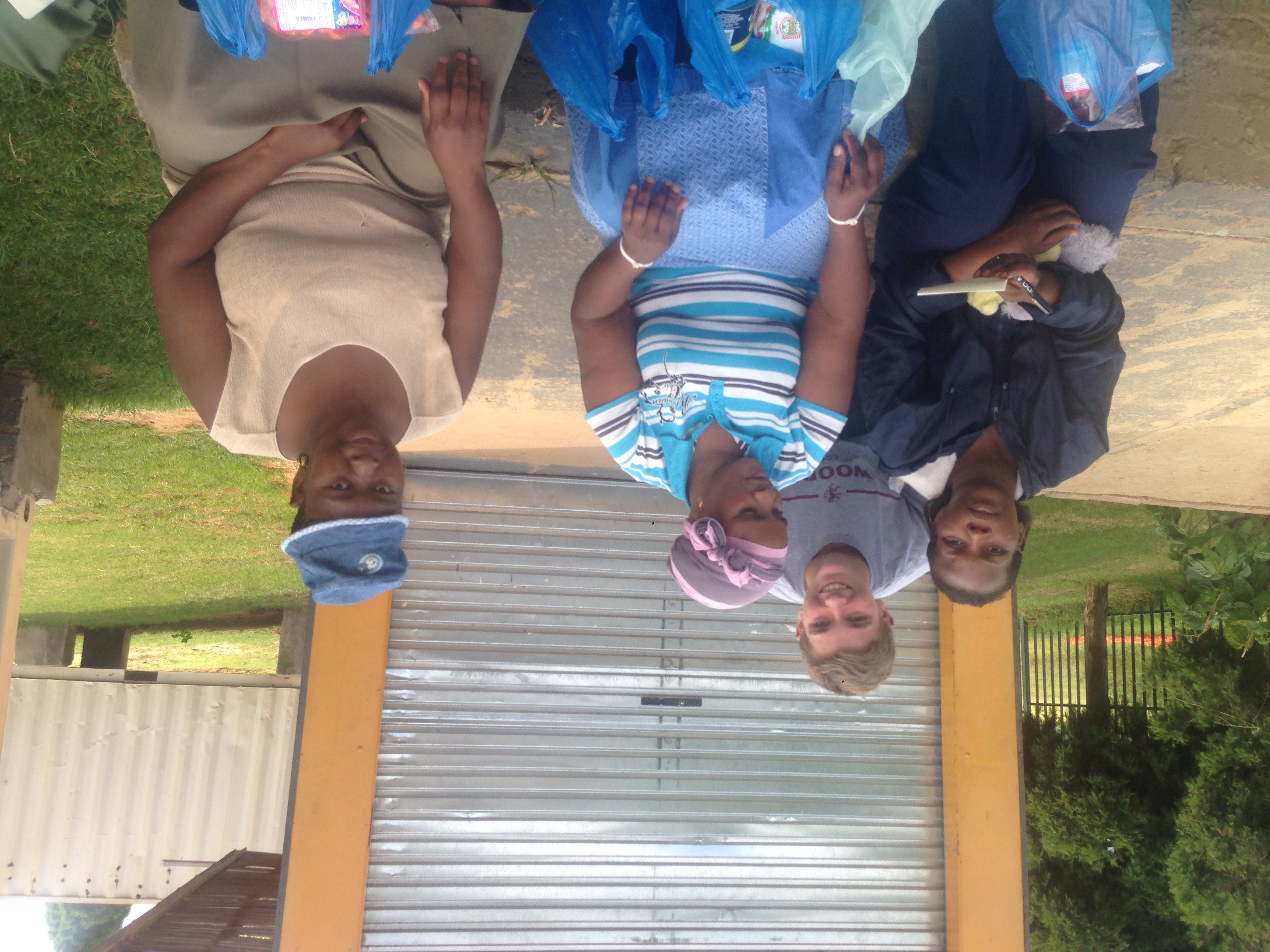
Lundi, avant d’embarquer sur l’avion, je suis allé à Zandspruit, un bidonville où j’ai fait la connaissance d’une jeune femme qui essaie de commencer sa propre garderie pour les enfants du quartier. Elle avait la difficulté, par exemple, car un de ses enfants de six ans a été frappé par une auto et est mort il y a une semaine. Ce n’était pas sa faute, bien sûr (l’enfant n’était toujours pas sa responsabilité), mais le gouvernement la harcelée.

Mon temps ici en Afrique du Sud s’est écroulé très rapidement. Je n’oublierais jamais l’expérience que j’y ai vécue. Elle m’a montré que chez moi au Canada, c’est comme Disney. Notre monde est magnifique, voire dénué de tout problème quand on la compare à celle du peuple sud-africain. Les entraves qu’ils doivent vivre avec nous donnent beaucoup à réfléchir. Bref, je me sens encore plus chanceux qu’avant mon départ. De toute façon, leur pays est bien charmant et leur culture, avenante et accueillante. Je suis triste de partir, mais j’ai hâte d’y retourner un jour !

Merci, l’Afrique du Sud ! –Adam Vandenbussche ’17

IMG_0413 IMG_0472 IMG_0479 IMG_1779

Student Exchange: Week 2: Racing with Elephants!

IMG_1722Another two weeks have gone by since I last wrote a blog, and those two weeks were filled with fun, and of course, school… but school is fun also. Most of my classes are interesting and I enjoy them a lot. The weekdays go by as usual – school and schoolwork consumes most of my day and at night we play sports.

The weekends, however, are super interesting and there is always something to do or somewhere to go on Saturday. Last Saturday we went paint balling in Pattaya. The boarders that went were split up into four groups of nine or ten players, then we each got a gun with twenty rounds each. The game was Capture the Flag. After watching the red team and the yellow team battle it out, it was us, the green team, versus the blue team. After a long fifteen minutes, my team finally won. My team ended up advancing to the finals, where sadly, we lost. I still think the play was suspicious though.

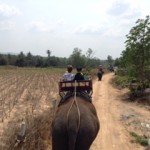
This Saturday we went elephant riding at the Pattaya Elephant Village! The people there that save the elephants from animal mistreatment in their old home bring them here. There are about thirty adult elephants and a few children. We fed them bananas. The workers there get to ride elephants all day, so I’m sure that they might get bored after a while, but for me, this is a cool job. We were two per elephant and we rode it for about five kilometers, which took about an hour. Near the end, we started feeling more secure about being on a twenty-foot high animal, so we started racing! Imagine driving down a road and seeing elephants charging towards you. It must’ve been scary for those people. This is for sure one of the highlights of my trip.

This weekend, I get to be hosted by Osman and his family. I can’t wait to visit different parts of Thailand.

I am about halfway through my trip to Thailand, and I love it here. It is still high thirties here and the bugs are starting to come out, but it is still better than freezing in Canada. Eli Samuel ’17, Exchange Student at Regents International School Pattaya

Australia: An Unforgettable Experience

11001802_651533158289878_629819888434412878_nThe idea of going somewhere you have never been before and being surrounded by people you have never met either is quite scary. I never thought that I would have been able to do that and let alone apply for it myself. I am so happy that I got over that fear of going on exchange and I had the experience of a lifetime.

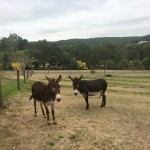
After 20 hours of flying, I finally arrived at the Melbourne airport. I was greeted by a tall family holding signs with my name written on them. It was so welcoming and I felt comfortable with the family immediately. After an hour and a half car ride to a small town called Ballarat, I arrived at their home. After two hours of being home, I experienced culture shock. Not only were there kangaroos in the wild, only a ten minute walk from Lisie’s house, but two donkeys, two alpacas, three chickens, a dog and a cat on their property!

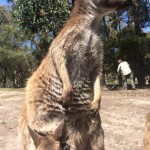
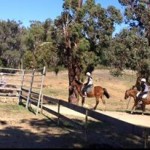
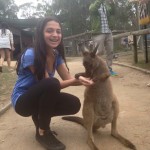
In Ballarat, we went to the Wildlife Park. All animals are in paddocks except for the kangaroos, alpacas and emus that walked around the park freely. It was so cool to be able to feed the kangaroos and pet them. I even saw a joey come out of the pocket of his mother. It was adorable! We also went horseback riding. That is something that I have never done before and it was awesome!

Throughout my time in Australia, I went on three big trips. I went to Apollo Bay, Phillip Island and Melbourne.

On the way to Apollo Bay, we drove on a road called the Great Ocean Road. Soldiers who returned from war between 1919 and 1932 built it. Along the road are the names of soldiers who passed away during World War 1 and it is the largest war memorial in the world. It goes along the ocean and it is absolutely beautiful!

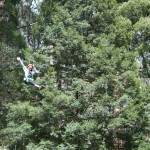
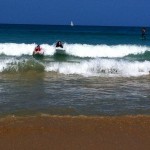
The next morning, we headed off to a zip-line course through trees called Otway Fly. It was a thrilling experience that showed me that my time in Australia was going to be full of adventure. The next day was spent on the beach, boogie boarding in the ocean and playing soccer in the sand.

On Phillip Island, we went boogie boarding down a sand hill into the ocean. It was so enjoyable and it reminded me of tobogganing in the winter. Except for the fact that we were in bathing suits and that it was not -5 C weather. For dinner, we sat by the ocean eating fish and chips. I felt like a true Aussie!

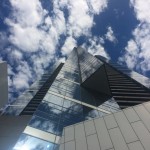
In Melbourne, we visited a couple of chocolate shops and ate lunch on a tramcar that went around the city of Melbourne. We also went to a building call the Eureka Sky Deck. It is the tallest residential building in the Southern Hemisphere. We did something called the edge where you sat in a clear box, which pulled three metres out from the building 300 metres above the ground. That night, Lisie and I also went to go to see a concert. It was amazing! The next morning, we went swimming with dolphins and seals. It was so cool to see them in their natural habitat in the ocean.

Even though I was only there for seven weeks, I feel like I have made friends and memories at Ballarat Grammar which will last a lifetime. I will never forget the friends that I have made and it makes me so sad to realize that I will not see those people for a while. It is insane how close you can become with people in such a short time. I cannot wait to spend more time with my exchange, Lisie, in Montreal! – Annie Wiseman ’17, Exchange Student at Ballarat Grammar


Duke of Edinburgh Gold Award: Reaching New Heights in the Atlas Mountains

DoE_Gold_AtlasMtns2015_04Five immensely long and satisfying days went by. There are so many words to describe these last few days, it is virtually impossible. But Mr. Salkeld insisted that this blog be written, so feast away at the concoction of anecdotes.

On our first day, we drove at the crack of dawn to the Atlas Mountains. What was once an ominous outline in the horizon reminding us of our faith was now getting closer on the Marrakech road. On the drive through the mountains to our starting point, we were all full of anticipation; for most of us this would be our first hiking trip. After we unloaded from our vans, we met the people who would be accompanying us, as well as our furry friends, the mules. While at first the guides insisted that we let the mules carry our packs, a firm head-shaking from Mr. Salkeld was all that was needed to let us know that we would be the mules on this trip. At the starting point, we were greeted with refreshing Moroccan mint tea and cookies. We began our hike going uphill, through a small village, and were greeted with waves and smiles from the Berber children. The hospitality encountered at the beginning of the trek continued throughout the excursion.

Walking uphill on the first path was quite a shock to some people. I was personally and particularly affected by it and started getting nervous that the entire hike would be as demanding as the beginning. But after some words of wisdom from Mr. Maurice on pacing myself and finding a rhythm to walk to, I found that with each day it took much more to make me tired. As we made it to the top of the mountain, we got a chance to see the diverse terrain of Morocco. Spread throughout the Atlas Mountains, we saw everything from snow patches to green forests and red mineral soil.

At the arrival of our first meal in the mountain, there was a carpet and long, thin cushions laid out for us to sit on, as well as some mint tea. The Berber men accompanying us on our hike had prepared a feast for us. An assortment of Moroccan salads, fresh baked bread, and the meatball tagine they prepared for us was greatly appreciated and devoured by everyone. For dessert, there was a plate of fruit with the sweetest oranges most of us had ever tasted. After this meal and rest, I had a newfound love for hiking. No meal and momentary rest had ever felt so satisfying.

For our first night, we stayed at a simple Berber house equipped with mostly just the essentials. We ate couscous with chicken and vegetables that the Berber men prepared for us. They then entertained us with some traditional Berber music, filled with drums and their Berber chants. We listened and clapped along to the first song, but were then quickly ushered to the dance floor. We learned the traditional dances and this little party helped warm us up for the cold Atlas night.

In the morning, we woke to the sounds of roosters and prayer calls. We had our breakfast consisting of Moroccan breads, M’semn (Moroccan crepes), jams and honey, and fresh omelettes. The second day of the hike was the longest and the most demanding. We hiked uphill through hot mountain forests and over slippery trails of snow and ice, with the blazing sun keeping us warm.

Although it was the most demanding day, we saw incredible views of the villages in the valleys, as well as the fields with intricate irrigation systems similar to that of Machu Picchu. In addition, we saw a half-frozen waterfall in the mountains and walked through the village in the valley, seeing all of the barns where the goats and sheep are kept.

After lunch, we looked in the distance and one of our hiking guides, Hassan, pointed out where our final destination was; a small village in the distance at the bottom of the mountain we had just trekked. As we were walking towards the village, the downhill trek seemed never ending and the village appeared to be getting smaller, which was alarming to many of us. It took us the entire afternoon until nightfall to reach the village. We walked the streets of the valley village at night hearing the sounds of families in their homes, as they were preparing meals and watching Arabic television.

We arrived at a Riad, which was an immense improvement over the simple Berber house. The decoration in the Riad was intricate and more extravagant. We sat in the Moroccan salon, drank tea, and rested before going to our rooms. Our rooms had warm beds and we had proper showers as well (although it took a couple of hours to fix the hot water). It was very fitting to have our most comfortable sleeping arrangements after our hardest hike.

The hikes for the following three days were mostly downhill and much more pleasurable. We walked on the tight roads on the mountains, and occasionally a truck or a motorcycle would drive by and would always wave and yell greetings to our hiking guides. It made me a little envious to know that they grew up in such small villages. Everyone was so nice to each other and there was always a sense of community. We saw women share the workload, while listening to some traditional Berber music on their phones or radios. They took turns bringing firewood, washing clothing, and cooking. Some did all of this while having a child on her back, wrapped with a scarf.

We listened to more enthusiastic drumming and chants the other nights and danced after eating delicious homemade Moroccan food. Hassan and Mohammed (our hiking guides) took us to visit a Berber home. The home was very simply designed, containing mostly the essentials. There were light bulbs, a kitchen, television, and Moroccan-style seating area. These areas are made to accommodate many guests at a time because hospitality is a very important part of the culture. We sat in the living room with a long sofa outlining the room leaving the centre an open area for coffee tables and walking.

On the last evening, Ms. Owen and a handful of us got a chance to play with the village children outside. They had just finished school and we saw all of them run to their homes to throw down their backpacks so that they could play outside (something I found very relatable). This was one of the most rewarding things we got to do because we learned many Berber children songs and got close with many of the kids. They taught us some of their games and we showed them some of ours. They were very enthusiastic, cute, and respectful. At around 7:30 pm their mothers stood outside their homes and called the children in one at a time for supper. The village streets, which were full of laughter and shouts, quickly became empty. This was our cue to go back inside to eat our own supper. (Shout out to Loubna and Hakim and the other Berber kids). It was very difficult saying goodbye to them the next morning, but we said farewell with tight hugs and smiles.

Although the trip was physically demanding, the hospitality and kindness of the Berber people made it worthwhile. It even felt like the Atlas Mountains themselves were welcoming us into their vast scenery. (Shout out to Hassan and Mohammed for being amazing hiking guides and the whole hiking crew and the family who let us visit their Berber home.)

Choukran to you all,

Nora Althani ’15 on behalf of the Duke of Edinburgh Crew 2015