
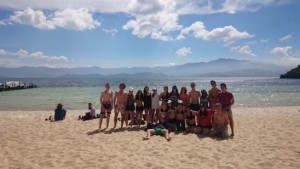
 The day started with an early wake up at 7 am at the Camino Real in Tota. The view to the lake from our window was beautiful. After breakfast we headed to the beach. The drive was about 45 minutes. When we arrived we put our belongings down and as a group collected garbage in the sand. Many of us found wrappers left by people who had visited the beach. Once we were done with our cleanup, we started a relay race. We all had a lot of fun and had to work together to win.
After the relay race we had free time. A few people swam but many people just lay in the sand and tanned. Even though many of us applied sunscreen we still burned. The Colombian sun is much stronger than what we are used to in Canada and we all experienced its effects.
We had lunch at the restaurant on the beach. Almost everyone ate rainbow trout, which was a regional specialty. After the beach we drove three hours to Villa de Levya. This was a very touristy town. It had the biggest town square in South America surrounded by many shops and restaurants. After visiting the town, we walked back to the hotel where we enjoyed a chicken dinner.
That night was very emotional for many people. We sat in a church illuminated by candles and spoke about our experience, what we would remember the most, and how this trip changed us. That night, many of us realized how grateful we were for our experience. We finished the meeting with letters that we wrote to ourselves. These letters were meant to act as a link between us and Colombia. Even though we were returning to Montreal and our daily routines, the letters would allow us to never forget Colombia and what we had experienced. –Kamy Roberge-Carrington ’16
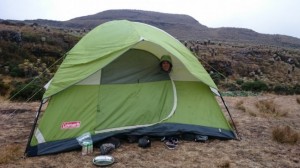 As soon as we heard the voices of our guides waking us at 7 am, we knew that we had finally reached the last day of our three-day hike. Everyone began to pack their things, take down the tents and clean the campsite. After a frustrating hour or so of not being able to pack as well as our parents had, we finished the last of our cleaning and began our final group warm up before embarking on our final stretch. With a mostly downhill hike we were all a relieved to have a break from the steep climbing we’d done over the past few days.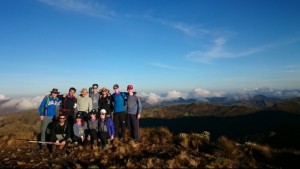
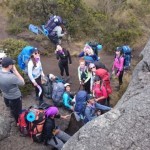
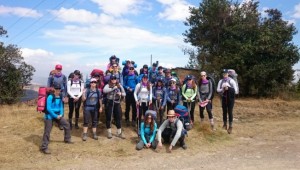 As soon as we finished our acclimatization hike, I knew that the real hike to the páramo would be the hardest thing that some of us had ever done. For those of you who don’t know what the páramo is (and I can’t imagine that most of you do), the páramo is a mountainous range near Mongui, a small village approximately 4 hours from Bogotá. What makes this place so special is that the páramo’s ecosystem is so delicate that there are only a select number of people permitted to hike in the region, let alone camp there for two nights. According to our guides, most Colombians don’t even visit this remote area of the country.
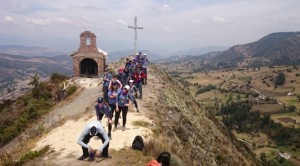 Leaving the small town of Mongui, we all felt quite nervous about what lay ahead. The hike we were about to embark on was not going to be easy and that was made very clear from the beginning. Living at sea level in Montreal and climbing to an outstanding 3,200 meters would bring the expression “physically draining” to a new level. Many of us didn’t know what to expect and I can speak for the majority when I say we were all surprised.