Our African Experience and HIV/Aids

This past summer, Melissa and I embarked on the trip of a lifetime. Not knowing anyone, we signed up to go on a community service trip to South Africa, Botswana and Zambia. All we knew was that the food may or may not be good, the people we’d meet may or may not speak English and the bugs may or may not give us malaria. What we didn’t know was that HIV/Aids would be the topic of conversation for 12 days out of our 25-day trip. We had known that Sub-Saharan Africa was more infected with Aids than the rest of the world. Out of all 35 million people infected with HIV/Aids, 25 million of them live in this region. But we didn’t understand that the majority of the people infected had little to no understanding of how to save their own lives.

To our knowledge, the first community we visited was where HIV/Aids had the most impact out of the rest of the towns we went to. This township was called Acornhoek, located just west of the famous Kruger National Park in South Africa. Acornhoek has a population of 150,000 people. 50% of this community is infected with HIV/Aids, which means 75,000 people are infected. The average income in this region is 300 to 1000 rand a month, which translates to a maximum of 120 dollars per month, which only covers 14% of the monthly cost of ARV’s, the aids treatment medication that lessens the symptoms. The cost of ARV’s is from $10,000 to $15,000 a person PER YEAR or $833 PER MONTH.  This fact is not only extremely sad, but it is also very scary.

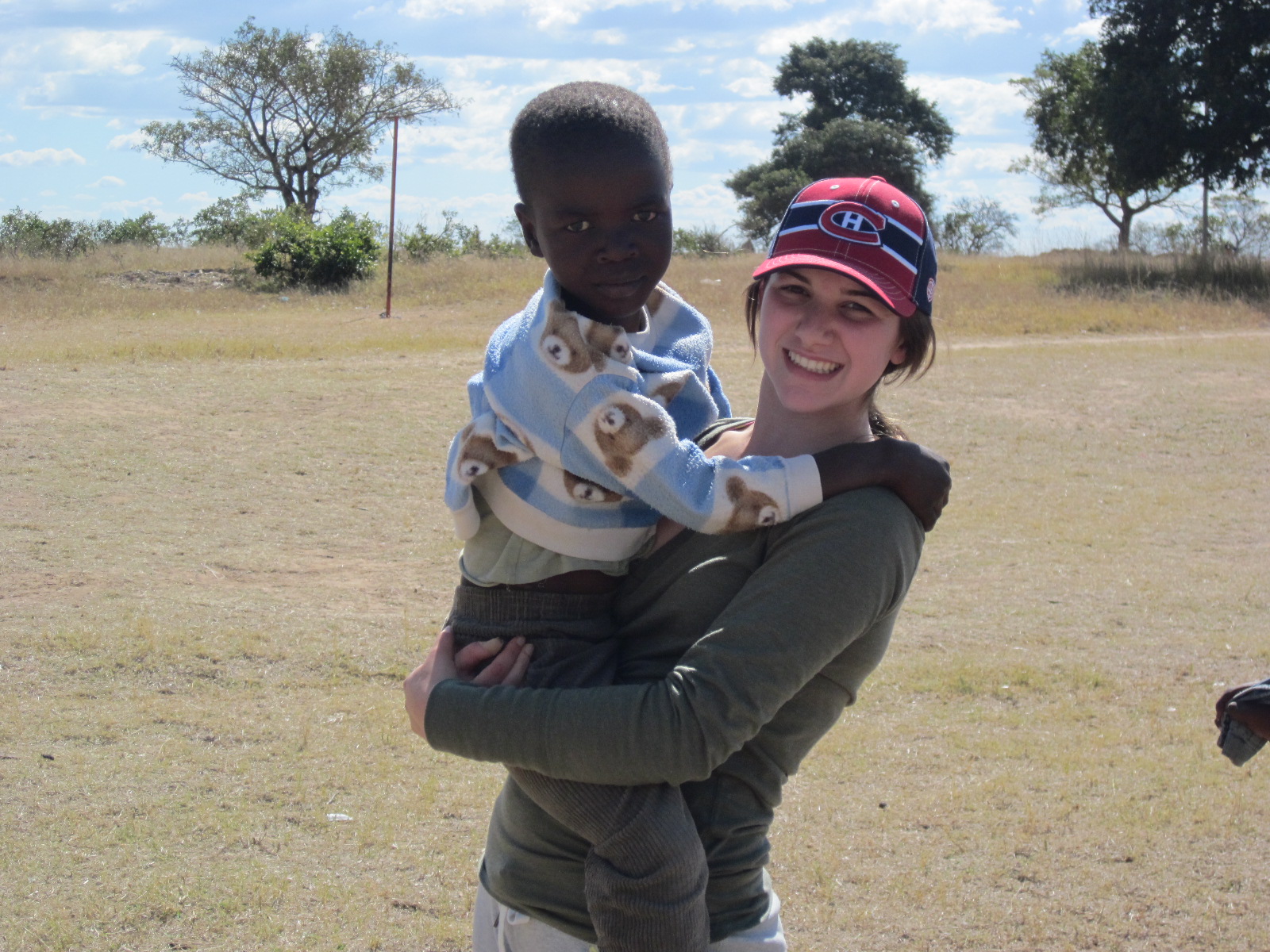
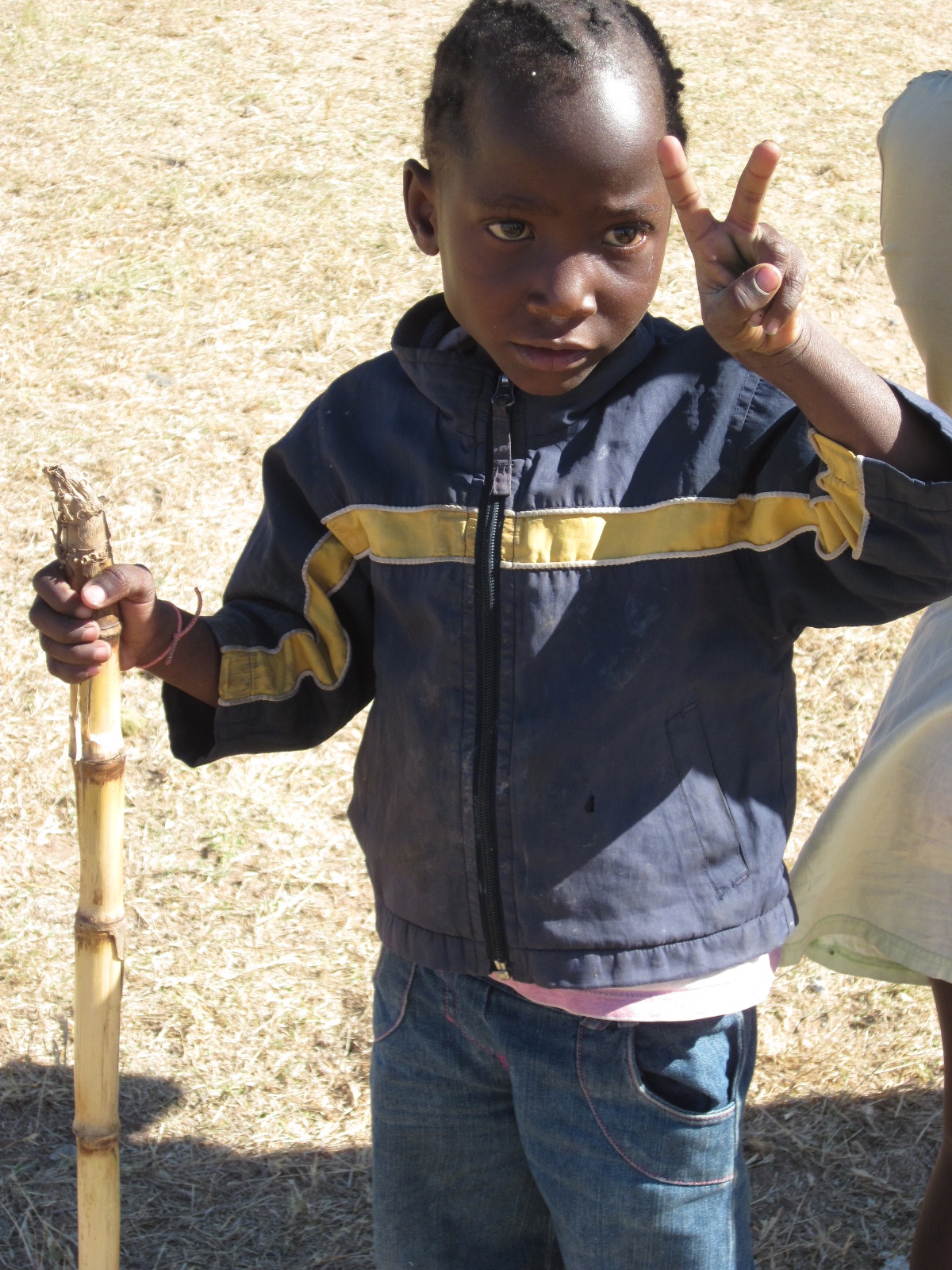
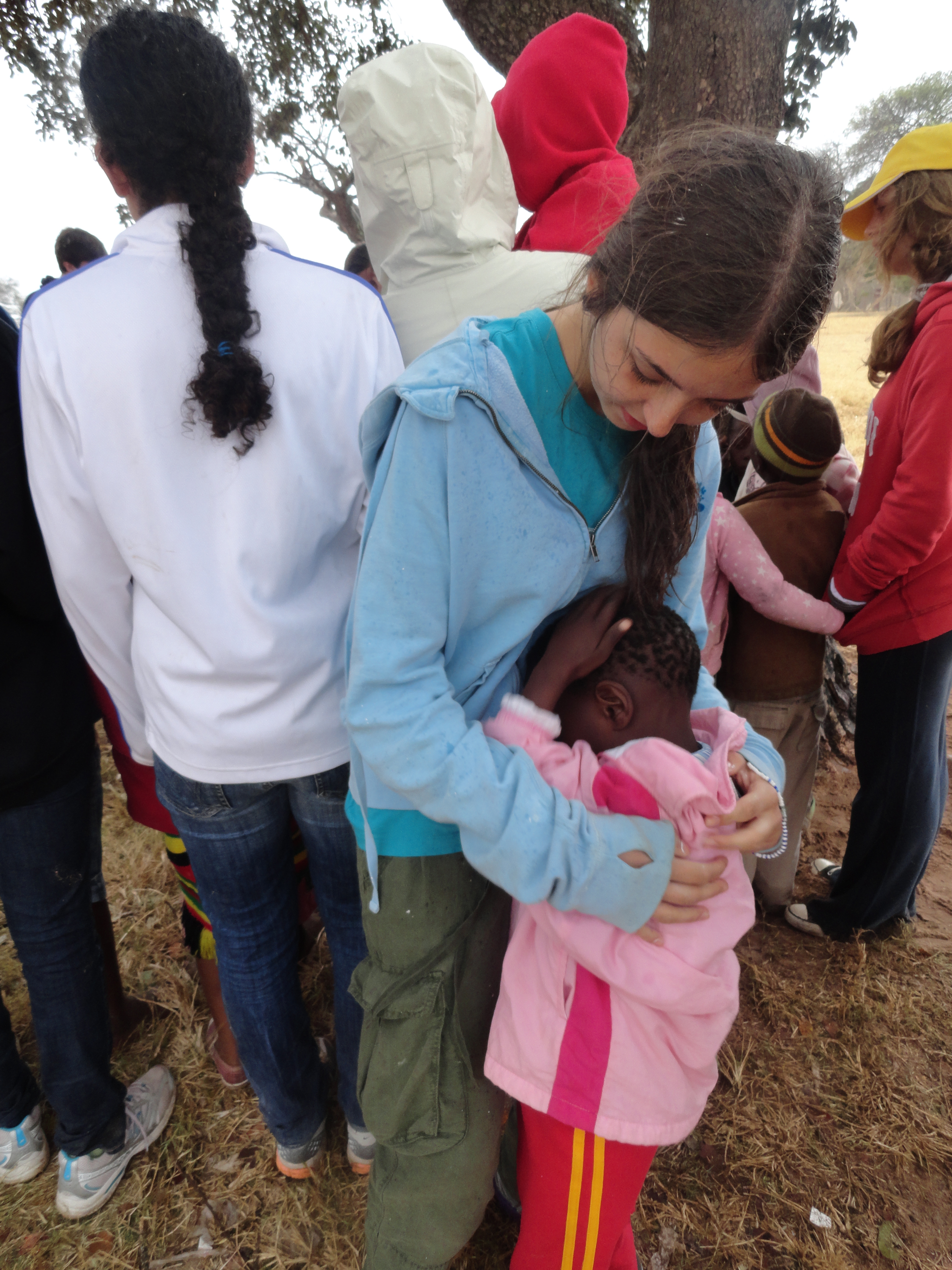
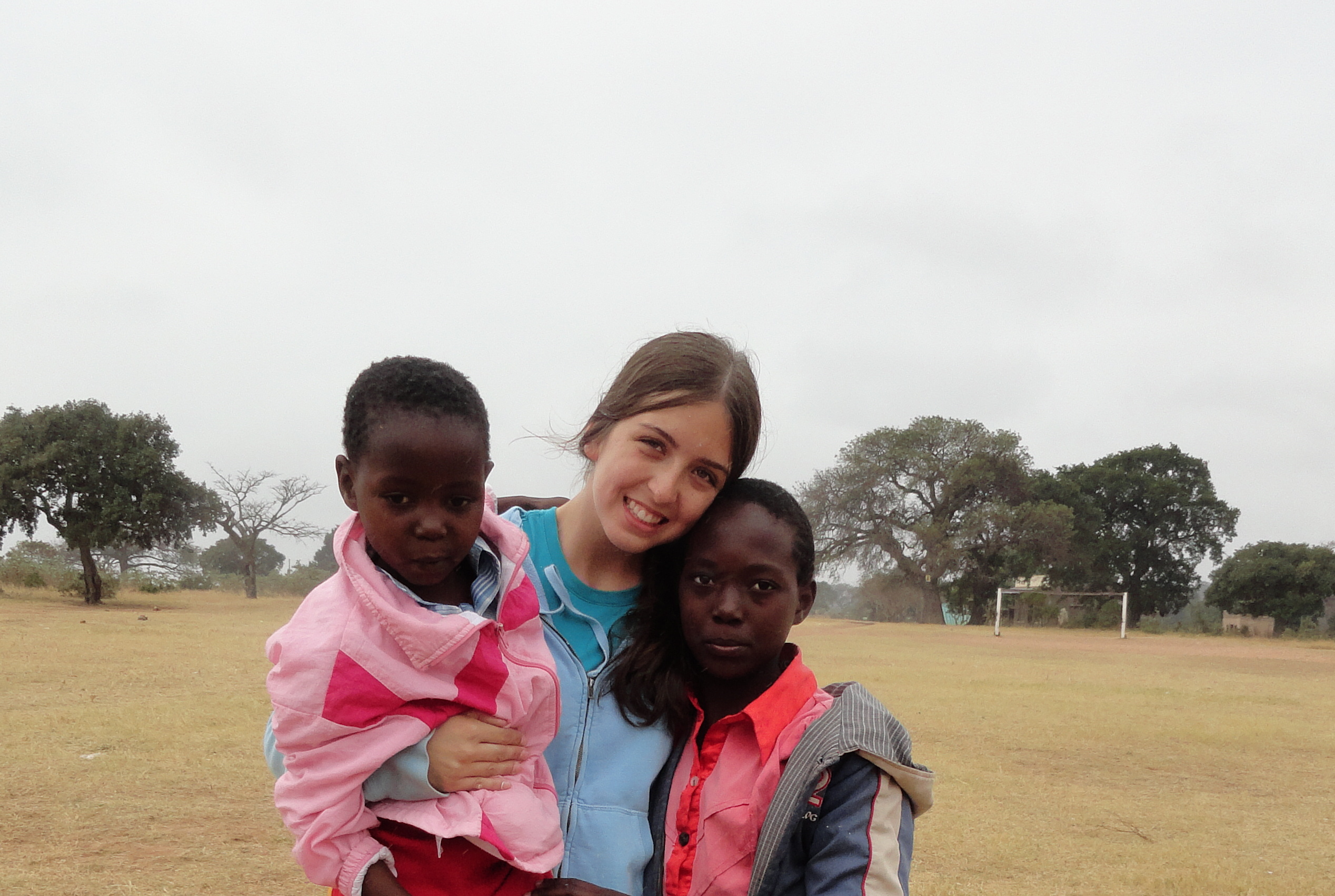
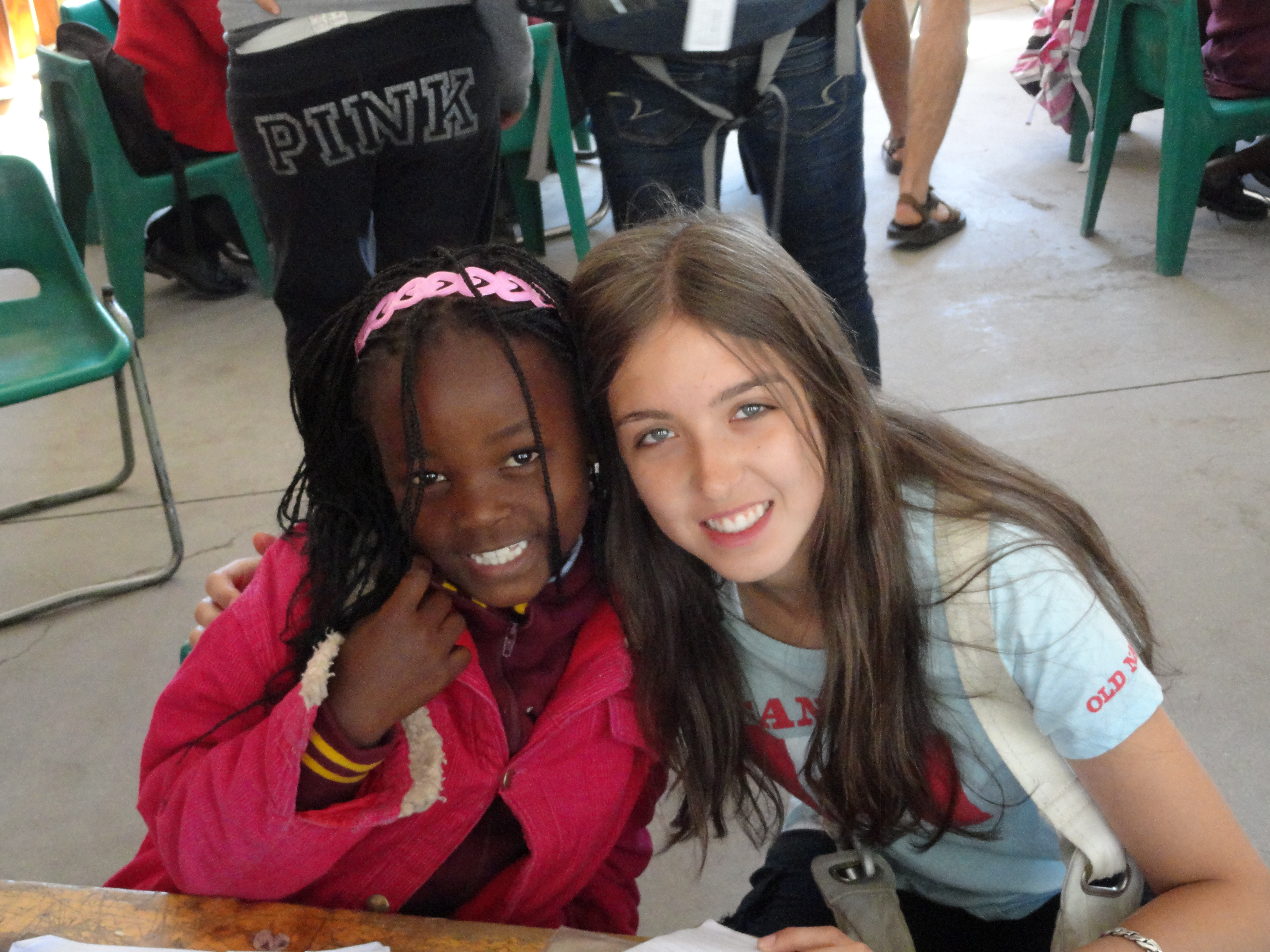
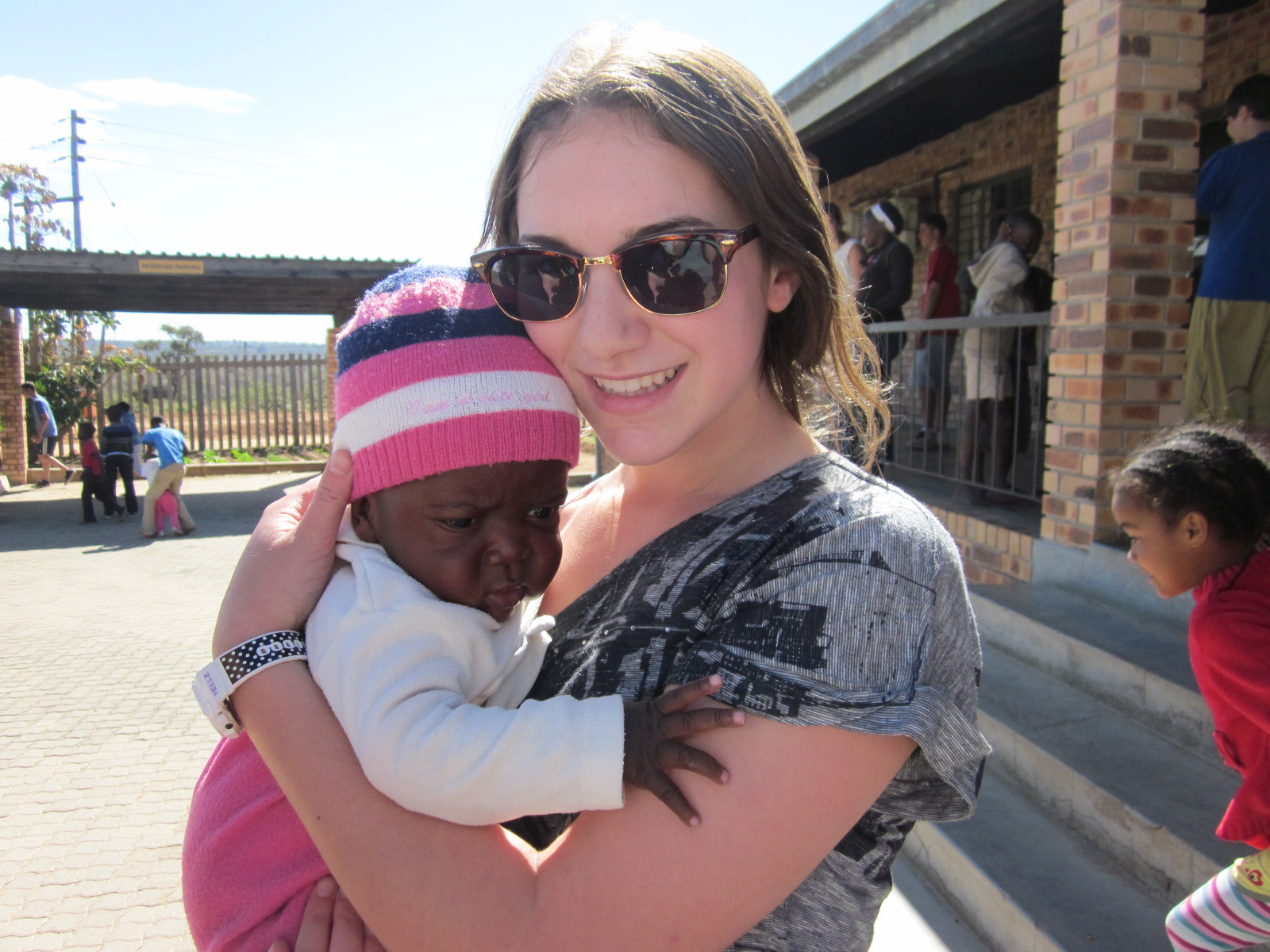
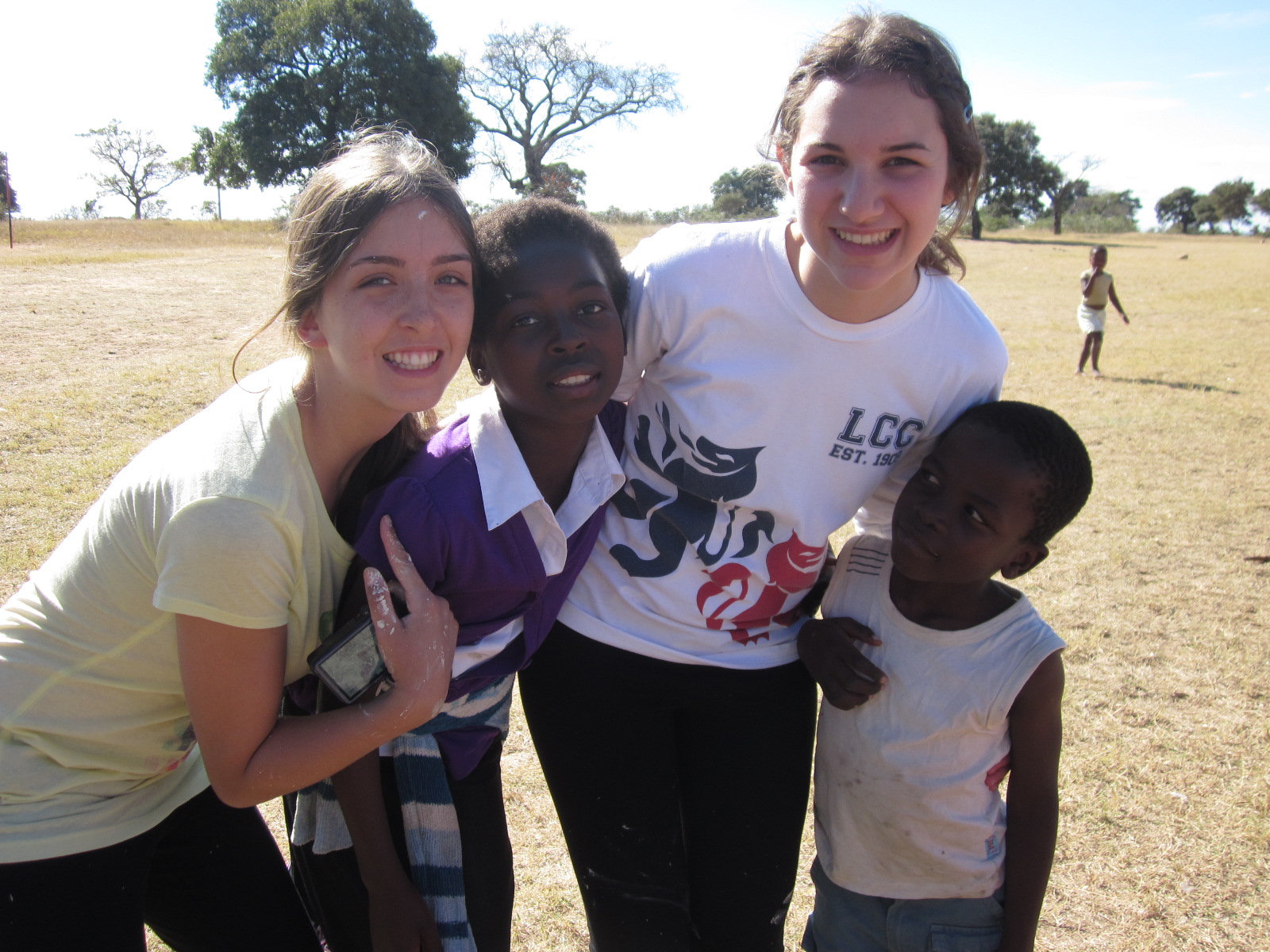
We worked five days in a smaller village within Acornhoek, at  the Sihlekisi Primary School. This school was government funded, however, the caliber of the teachers and the curriculum was questionable. In the schools, they learn very basic things about HIV/Aids prevention, but it is often times countered by the stigmas in their culture. Another problem is that the things they learn about HIV/Aids are in English, and the children understand very little English. The children were on their break when we were there, so they came to schoolyard everyday to play, and everyday they returned wearing the same dusty clothes, the same bare feet and the same smile running from ear to ear. Despite the 50% chance that these kids were fatally ill, and that they were extremely poor, they always had a smile on their faces and were ready for any game of soccer or any hand game we had prepared. The hardest part was that we couldn’t believe that our new little friends might be sick. It didn’t make sense to us that a child so happy and so pure could have HIV/Aids. The realization when we were given the 50% statistic hit us like a brick. It just made no sense.

One of the nights we spoke with an older Afrikaans man named Pieter; he owned the lodge that we stayed at near Acornhoek. He was the man who told us of the fate of 50% of the children, and he explained the stigmas of the native African people in Acornhoek. The first stigma he explained was the city theory. This theory is that women believe HIV/Aids come from the city, mainly Johannesburg. They believed this because the men often go away to work in Johannesburg for six months at time. When they are there, the women believe that they get lonely and hire prostitutes. When they come back home to their isolated villages, they force their wives to have unprotected sex because they view condoms as a symbol of betrayal and distrust. More often than not the women, the men and their children wind up getting infected, which only validates the assumption women make that their husbands are cheating on them.

Once contracting HIV/Aids, the people view it as a consequence to sinning and are completely shunned. Women will hide when they bottle-feed their children, as using bottles is a sign of sickness. Another reason to be shunned in these types of villages is to want a better life. The people who leave to get higher education in Johannesburg or Cape Town often times cannot return home, because they are seen as traitors who leave their families behind. This causes a lot of trouble because we all know that with education comes knowledge on prevention and, obviously, success. A successful person within these communities is exactly what they need for motivation, and that very rarely happens because people do not want to be excommunicated.

Another one the major problems is the government’s release of false prevention tactics. In 2005, a 31-year-old woman who was known to have HIV accused Jacob Zuma, who is now president of South Africa, of rape. Jacob Zuma insisted that it was consensual, however the girl still kept pressing charges. The problem in all this was that it came up that he did not use a condom, even though he knew she had HIV. In response to that, Zuma stated that he took a shower to, quote on quote, “cut the risk of contracting HIV.” HIV/Aids specialists and health educators tried desperately to clear this mess, however, in a country where HIV/Aids is so widespread, it is RIDICULOUS that a political leader would say something so untrue and detrimental to the health of his own country.

Many of the children in these towns have been orphaned by the HIV/Aids epidemic. Since many of middle-aged parents are dying due to the sickness, the grandparents of the children end up being their caretakers. The elderly have no source of income because they are too old to work. Essentially, this also makes them too old to care for children, and the government has no pensions or funding for guardians. Currently, there are very few organizations that care for the elderly. Since the grandparents and parents of children have such a high mortality rate, children very often become orphaned, which has grave consequences. When children, mainly young girls, cannot support their families, they resort to prostitution. This leads us back to the spreading of HIV/Aids mentioned before. The entire process seems to go around in circles.

After our trip, we came home with so much more insight on what our role was in the future pertaining to HIV/Aids prevention. This trip has forever made us activists on what Africa really needs in order to stop this epidemic. They don’t need shoes, because they won’t wear them. They don’t need toys, because that causes dependence. They need money for ARV medication, they need care for the elderly, and they need knowledge and a change of view on condoms. What they really need is access to education – not the tangible things we can give them. They need to learn how to take care of themselves, because if we do it for them, they will never learn. The money you all have donated to the Stephen Lewis Foundation will give them treatment, care for the elderly and education. When it comes to Africa, give back in ways that will improve health and education, because with health and education comes a better life.

Help prevent HIV/Aids, help save Africa, help save the world. Thank you.—Melissa Cape ’12, Alexandra Storozum ’12
Mackay Center & Camp Massawippi: LCC Students Learn About Themselves and Others

On Monday, November 7, we left on our experience trip with the Mackay children to Camp Massawippi (view gallery). We departed from the MacKay Centre at around 9:00 am and as we boarded the adapted transport bus that would take us to the camp, all the Mackay kids had huge smiles on their faces as per usual. We were all extremely excited for this new adventure. We stopped at Tim Horton’s for someMacKay_Massawippi donuts, coffee and hot chocolate on the way, and when we arrived at camp it was already around 11:00 am.

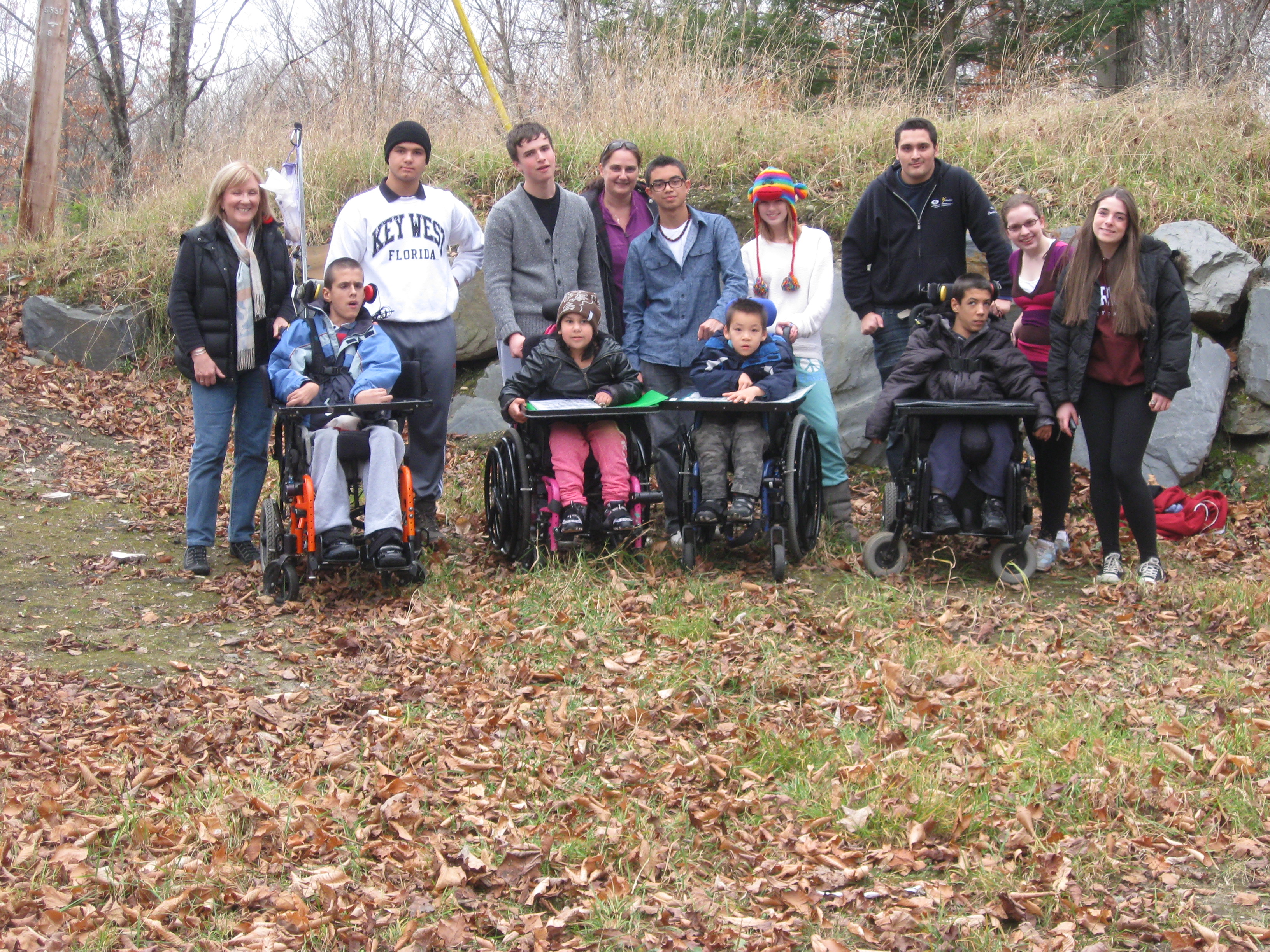
It was a beautiful fall day, so after unpacking and having a quick lunch we all went on a short hike. To be honest, it was no easy feat pushing the wheelchairs up the mountain but it was worth it in the end. We cut down a small tree for them to take back to their classroom to decorate for Christmas. As hard as it was, to see the children constantly smiling, we would have had pushed the wheelchairs up and down a thousand times.

After the hike we had an arts and crafts session where we made picture frames and portraits with the kids. We let them dry in the back and proceeded to the next activity, which in fact was dancing. The kids all have their own music preferences, and they really had fun as we danced and moved the wheelchairs to the rhythm of the music.

Finally dinner came along and BBQ chicken had been prepared. The meals were delicious and it was just like being at home. After dinner we went down to the lake where some of us had already prepared the campfire. We talked and laughed and roasted marshmallows and prepared banana boats. The first day was a dream and it went by so quickly!

On our second day at Camp Massawippi, we had another great day filled with fun activities. After the kids woke up and ate some breakfast, we took them on a nice walk along the road leading to the camp, and met up with Mark, one of their teachers who couldn’t come for the whole trip because of an injury, so the kids were really happy to see him when he drove up for the day. The weather was beautiful once again, and we all really enjoyed the walk. The sun was out and it wasn’t too cold or too hot. Afterwards, we hung out down by the beach and Mark talked to the kids while we were playing with his hyperactive dog, Mario.

We returned to camp for a lunch of chicken fingers and French fries, which everyone enjoyed. Later on, a couple of the Mackay kids got to lie down on a mat and play with Mario, who was very careful and affectionate with them. The weather was so nice that day that we even had the chance to go out and play in the field, throw some balls around (before Mario ate them!) and relax. That afternoon we also painted a mural with the kids that was really nice; hopefully it’ll be hung in their classroom at the school. Afterwards, we were all ready for a rest and decided to watch the movie Up! For dinner we had lasagna and salad, and apple crumble for dessert. That night we went out for a second campfire, this time in the field and ate some marshmallows. A couple of people decided eating them wasn’t exciting enough and put them on each other’s faces instead; either way – a fun time! At night, after the kids went to bed we sat on the couches and watched The Incredibles, a good ending to an amazing day.

Wednesday morning, our last day, we were all up early to make a special brunch for the Mackay kids. Some of us were in charge of making French toast, others cooked bacon and tater tots. It was a great breakfast and a nice way to end the trip. As things were getting packed up we all had fun doing face-painting with the kids, and then finally got back into the bus for the return trip to Montreal. We all agreed that this was an amazing experience and one that we would never forget. The trip really makes you learn a lot about yourself and others, and makes you realize how lucky you are, and that you should never take life for granted. We can’t wait to see the Mackay kids again sometime soon!— Pietro Cammalleri ’13, Sam Ergina ’12, Claire Greenbaum ’13, Erin Masson ’13, Julia Peterson ’13, Liam Reckziegel ’13

International Round Square Conference – England – 2011

RoundSquare-England2011October 25, 2011

I’ve been to numerous conferences in my lifetime.  Although the conferences have been useful, in most cases I can’t really say they were exciting. Perhaps a speaker was particularly dynamic or perhaps I was exposed to a new idea. Round Square conferences, however, are very exciting. It is definitely a thrill to see the smiles on the young delegates faces and at times it is impossible not to be completely swept away by their enthusiasm and positive energy. A very common comment from the young delegates at the end of these conferences is “that was the best time of my life.”  Now I know that young people can be impulsive and impressionable, but nonetheless it feels very good to hear such a positive comment after an activity, which is intended to enrich the educational experience. I guess we could say that youth conferences like the ones of Round Square accomplish great things.

As educators we hope that the young Round Square delegates will learn more about issues related to the Round Square “IDEALS” – Internationalism, Democracy, Environment, Adventure, Leadership and Service. For sure the conferences address all of these “IDEALS.” However, for the students the excitement of meeting so many young people from around the world is probably the biggest thrill. They listen intently to the speakers, they attend the “barazza” groups (student-led discussion groups), they participate enthusiastically in all of the activities and they do not cause any difficulties to the adult supervisors. But when they attend the plenary sessions that are more oriented to social interaction and entertainment, the enthusiasm simply explodes. To be in the middle of eight hundred 15-16 year olds who are all waving flags from countries around the world, swaying back and forth in unison to the hit song “Wavin’ Flag” by K’naan – well – truly exciting. In fact for many of us adults, it brought tears to our eyes. Too bad all of you could not experience this. The students will remember this positive experience for the rest of their lives and I will too!– John Gordon, School Counsellor

A Welcome Experience at the Welcome Hall

WelcomeHall_blogToday we started our Youth Philanthropy Initiative by volunteering at a grass roots organization called Welcome Hall Mission. This organization affects the lives of many; the young, the old, families and new immigrants through their many services offered. This organization serves as a shelter, a food bank, a rehabilitation centre for men, women and youth, and as a counseling centre.

The grade 10 Woods House advisory visited this centre yesterday to give much needed help. We made food packaging for the people who will be coming in today, we inventoried school supplies from their recent ”back to school drive,” and we organized clothing that would later be given out to the clients of the Hall.

Working with such a great organization that helps so many people in our city was a fantastic experience. Knowing that the food we were distributing would go to kids and families who really needed it felt good. It was great to work with our advisory. As a whole I think we all realized how fortunate we are and that in a city like Montreal, there still is a great amount of poverty. –Alexa Dlouhy ’13

Corvée du Mont-Royal

Corvee2011_BlogImageAfin de souligner l’année internationale des forêts, les élèves du Middle School ont décidé de participer à la 20e édition de la corvée du Mont-Royal. À 8h30, tout le monde était au rendez-vous et, pendant toute la matinée, les élèves ont planté, planté, planté…
Photos

    Planter des arbres au Mont-Royal était très amusant, on a travaillé pour le service communautaire et on a passé une bonne journée. Je voudrais faire ce type d’activité encore une fois. Cela a ouvert mes yeux sur le monde et sur les changements que je peux faire pour aider l’environnement.
    —Arielle Shiri ’14

    Mon expérience au Mont-Royal a été une tonne de plaisir. Quand nous sommes arrivés, un groupe de personnes a parlé de l’importance de planter des arbres. Ensuite, en groupes, nous avons eu du matériel et des t-shirts. Nous avons ensuite creusé des trous et planté de jeunes arbres qui deviendront grands. J’ai eu beaucoup de plaisir et j’aimerais le refaire.
    —Samantha Adessky ’14

    Planter des arbres au Mont-Royal était une expérience que je n’oublierai jamais. Maintenant chaque fois que j’irai là-bas, je pourrais dire à mes amis « Voyez-vous cet arbre ici? C’est moi qui l’ai planté ». Rien que ça est assez pour dire que c’était une bonne expérience.
    —Matthew Kaspy ’14

    Planter des arbres pour la fondation “les amis de la montagne” était une expérience que je ne vais pas oublier. Une pelle dans une main et un sceau dans l’autre, nous avons planté toute la matinée.
    —Montana Black ’14

    L’expérience au Mont-Royal était très amusante! Premièrement, j’ai fait beaucoup d’exercices en montant et en descendant la montagne! Je n’avais jamais planté d’arbres de ma vie. Je suis très heureuse d’avoir pu faire une différence dans la communauté et de la rendre plus belle! J’espère qu’il y aura beaucoup d’autres activités comme ça à l’avenir.
    —Kaitlin Markus ’14

    C’était un matin chaud, le soleil brillait, une journée parfaite pour planter des arbres. Quand nous sommes arrivés, la guide nous a montré comment faire. Après, nous nous sommes mis au travail. À la fin, nous étions fiers de notre travail.
    —David Rosenberg ’14

    Pour moi, planter des arbres était une nouvelle chose et je ne pouvais pas être plus heureuse avec ma première expérience. Tout était très bien organisé et que les instructions étaient très claires. Notre guide a été très gentille et elle m’a énormément aidée. Elle m’a donné le goût de planter d’autres arbres.
    —Stephanie Shannon ’14

    J’ai vraiment apprécié planter des arbres. C’était la première fois et ce fut une bonne expérience. C’était une bonne journée pour cette activité. Je suis impatiente de retourner au Mont-Royal pour voir les beaux arbres que nous, en tant que groupe, avons plantés ensemble.
    —Jaclyn Lavy ’14

    Cette expérience m’a fait du bien. C’était ma deuxième visite à la montagne pour travailler au service communautaire et c’était aussi satisfaisant que la première fois. Je sentais que je faisais vraiment quelque chose de bien et qui faisait une différence. Cela m’a permis d’apprécier la nature et l’environnement. Planter juste un arbre était beaucoup de travail mais j’en ai planté 4 avec l’aide de ma partenaire, Julianna. Je le referai encore si j’avais la chance. —Stephany Hwang ’14

    À lire:
    Corvée du Mont-Royal 2011

    À regarder (film et photos):
    Des forêts et des hommes par Goodplanet.org