Classe Verte – Day One: Busy!

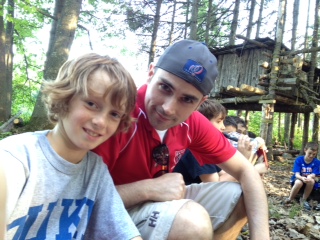
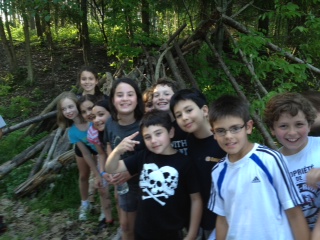
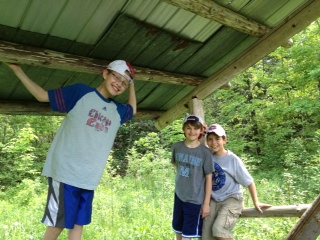
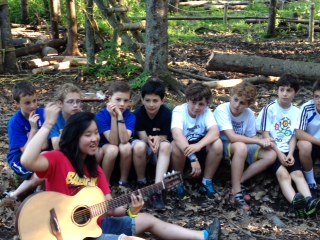
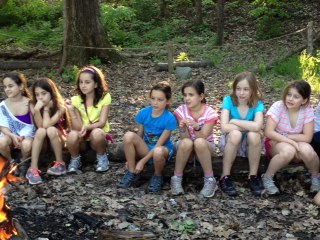
The first day of Classe Verte was a success! Upon arrival, the children participated in a treasure hunt followed by a delicious pizza lunch with fries and salad. In the afternoon, children enjoyed archery, rock climbing, BMX biking and the Tarzan swing! Afterwards, grade four had a wonderful surprise… Water slides!  For dinner we were served burritos, soup and salad. Then, after a group game outdoors, it was off to the campfire. Roasting marshmallows, telling stories and singing songs were the highlights. We can’t wait for tomorrow with so many more activities. — Sarah Kingsley, Grade 4 Teacher

Hockey de Rue

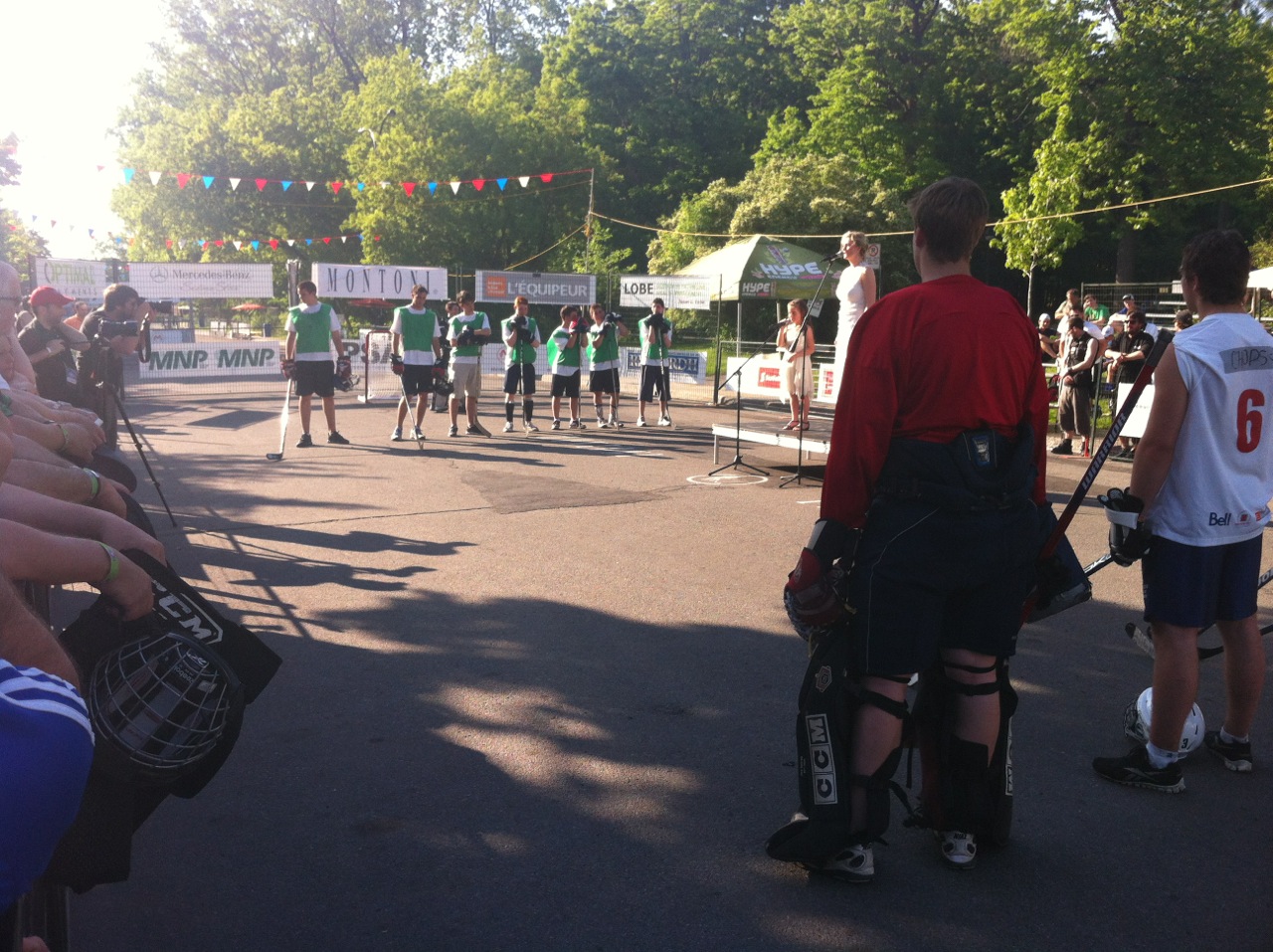
On the Victoria Day weekend, a group of LCC students put a team together for a ball hockey tournament called Hockey de Rue. The Montreal Canadiens sponsored it and the money raised went to the Montreal Canadiens Children’s Foundation.

We competed against Loyola, Selwyn House, Kuper Academy and many more schools. Our team got off to a slow start by tying our first two games. We won our last and final round-robin game and we placed 8th in the playoff rankings, which meant we had to play the 1st place team.

We pulled off the upset and moved on to the semi-finals. We won a tight game against MNP and met Kuper in the final. We went down by two goals early in the game but with the competitive drive of our team, we managed to tie up the game. At the end of the 3rd period the game was tied 4-4. We went into overtime thanks to the outstanding goaltending of Jordan Itzkovitz ’13.  Five minutes into overtime, Nathanael Niedermann ’12 scored to win the game for us!

After a beautiful day of ball hockey, we were awarded the trophy for winning the tournament and another trophy for raising the most money. Our team raised a total of $11, 219!—Giordano Saputo ’13

Watch video coverage and read more in Le Journal de Montréal

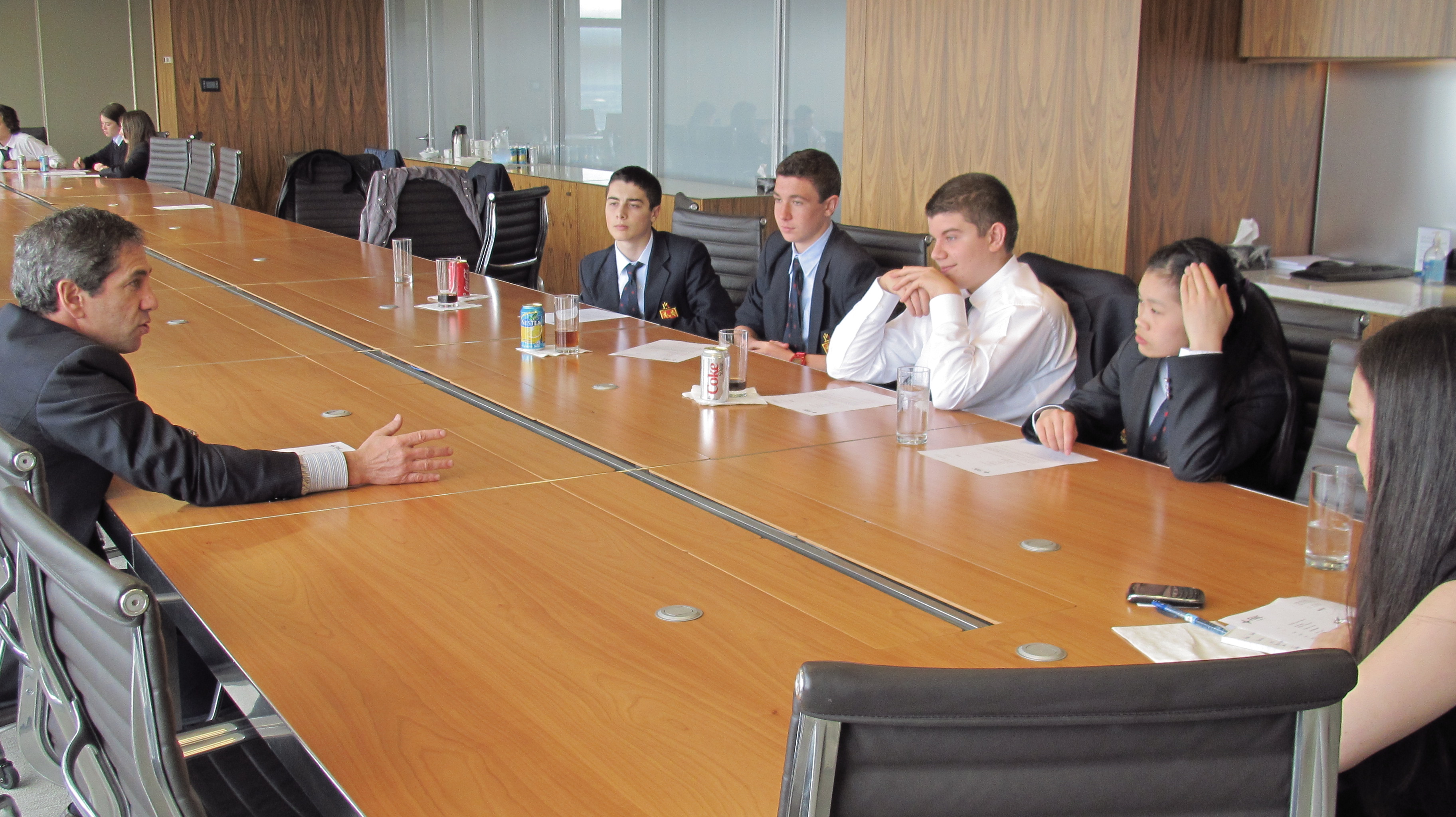
LCC rend visite à Fraser Milner Casgrain

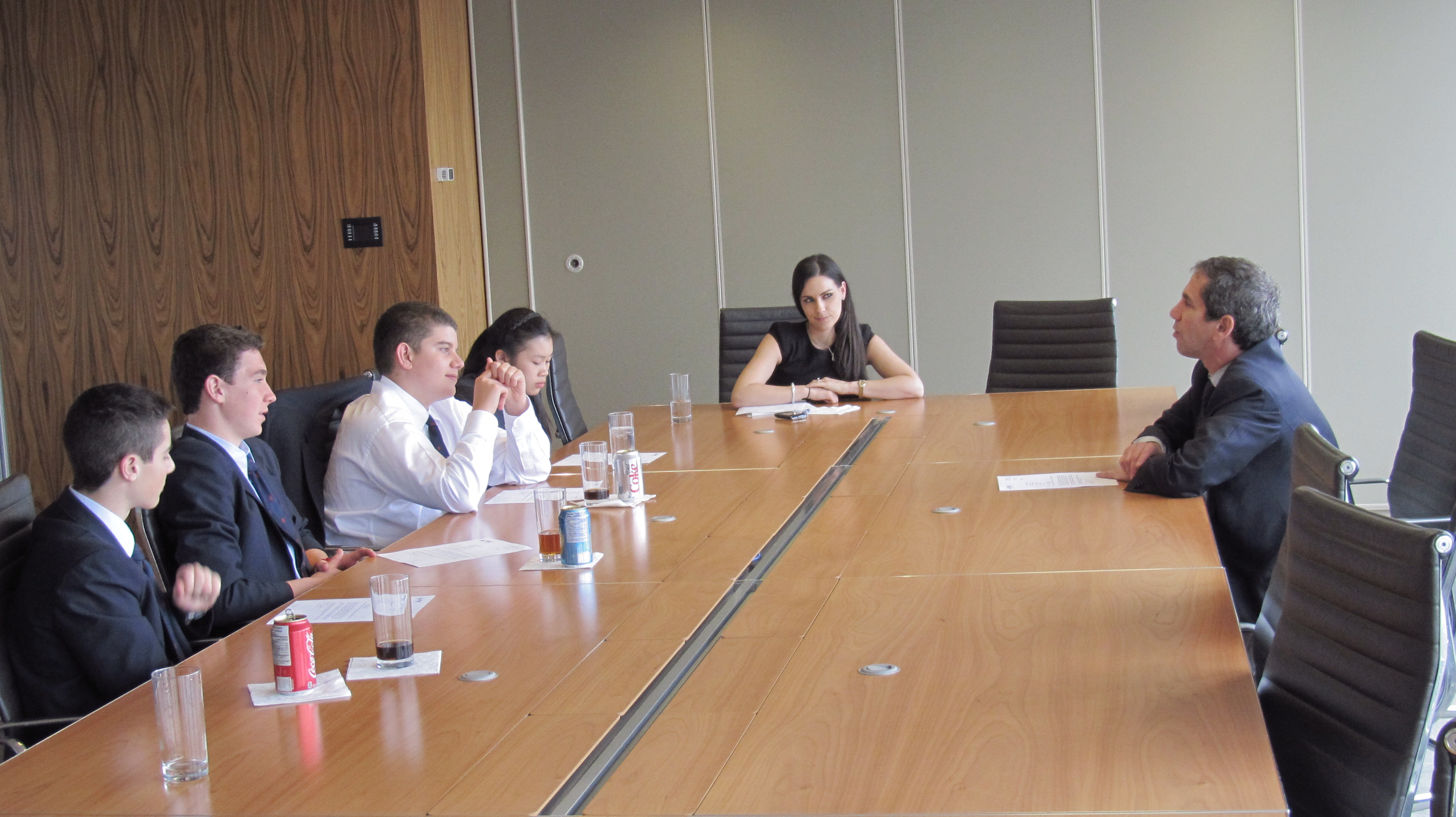
Il y a une semaine, notre classe de droit a visité le bureau de FMC. Quand nous sommes arrivés, mon père, un avocat corporatif, nous a emmenés dans le bureau des conférences. Là-bas, il y avait deux autres avocats, un de litige et un corporatif. Les trois avocats nous ont présenté un cas dans lequel nous devions trouver une solution. Les deux parties étaient des voisins qui se chicanaient car un voulait construire une piscine, mais l’autre avait un garage trop grand qui empêchait sa construction. C’était une très bonne sortie qui nous a montré qu’il y avait plus d’une manière pour trouver une solution avec deux différents types d’avocats. Ça semblait être une situation facile, mais en l’étudiant, c’était très complexe. –Samantha Spector 13’

Les élèves du cours de droit de 10e année sont allés visiter les bureaux de FMC. J’ai trouvé cette visite agréable, puisque j’ai pu voir le travail de divers avocats, et j’ai pu comprendre leurs rôles, tous très différents. J’ai bien aimé le fait que Me. Spector a essayé de nous faire vivre un peu sa vie en nous amenant dans la salle de conférences pour discuter d’un conflit qui pourrait vraiment se passer. Il nous a demandé de trouver des solutions, comme il le fait quotidiennement en tant qu’avocat. J’ai aussi beaucoup apprécié qu’il nous ait tous encouragés à participer à l’activité. Par contre, j’aurais aimé avoir plus de temps pour faire d’autres activités pour que je puisse utiliser ce que j’ai appris en classe en étudiant les différents enjeux (ex: celui avec le droit de passage, etc.). Bref, je suis contente que ce fut notre dernière sortie, car elle était très amusante! –Olivia Yip 13’

La semaine passée, notre classe de droit est allée visiter le bureau de Fraser Milner Casgrain à Montréal. C’est un bureau d’avocats législatifs et corporatifs. On a rencontré Chuck Spector, Anthony et Maria. Ils nous ont expliqué leur travail et ils nous ont fait faire une très bonne activité. Elle nous a appris qu’il y a toujours deux solutions à un problème, une législative et une corporative.  J’ai apprécié cette sortie, on a beaucoup appris. –Alexa Dlouhy 13 ‘

Reading Renaissance?

Blog_ReadRenaissance_24May2012There is a fair amount of speculation about the future of the book. So, is the book dying?  Is reading on the decline? You’ll be pleased to know the answer to both questions is an emphatic “no!”

There is definitely a lot of shifting and change occurring in the book world, but the book is actually alive and well.  In fact, it seems less about whether people are reading and more the question of format that is causing a stir.  Recent data actually indicates that we seem to be living a kind of reading renaissance.

A few years ago there were many who predicted an impending apocalypse in the reading world, claiming the death of the traditional book bound on paper would lead to an inevitable decline in readership.  However, the invention of the digital e-book has clearly changed the reading playing field – and it seems for the better.  Regardless of format, we now have more books, more readers, and larger audiences for words and ideas whether presented to us on paper or pixels.

In its annual report published last august 2011, the Association of American Publishers reported that overall revenues and the number of books sold in all formats have grown significantly since 2008.  However, without e-books the numbers would likely have been flat or declined slightly.

An American think-tank group that looks at current trends, called the Pew Research Centre, also reports an interesting development.  Twenty percent (20%) of Americans report having read at least one digital book in the past year – and digital book consumers read more books per year  (about 24) than the solely paper-bound readers. Another surprise:  e-book readers also read a lot of paper books as they are comfortable in both formats.

It’s interesting to note that with the growth of digital books many authors are also making more money on Kindle, Kobo and iPad format sales than they did when we were limited to traditional publishing.        E-books tend to be cheaper than traditional hardbacks as they are much less expensive to produce—and it seems readers are inclined to buy more given the savings. Think about it: e-books eliminate the pulping of paper, printing, binding, delivery trucks, stores with lots of sales employees and infrastructure costs.

But bound paper books still remain popular with people.  A lot of people prefer the feel of a book, its smell and its portability.  There’s permanence to the book that certainly has a special appeal to many.

So we should all realize that we are living through a time of profound change – probably equal to when Guttenberg invented the printing press in the mid-1400s.  The good news is people appear to be reading more than ever before.  –Chris Shannon, Headmaster

Le défi de la Charte, printemps 2012

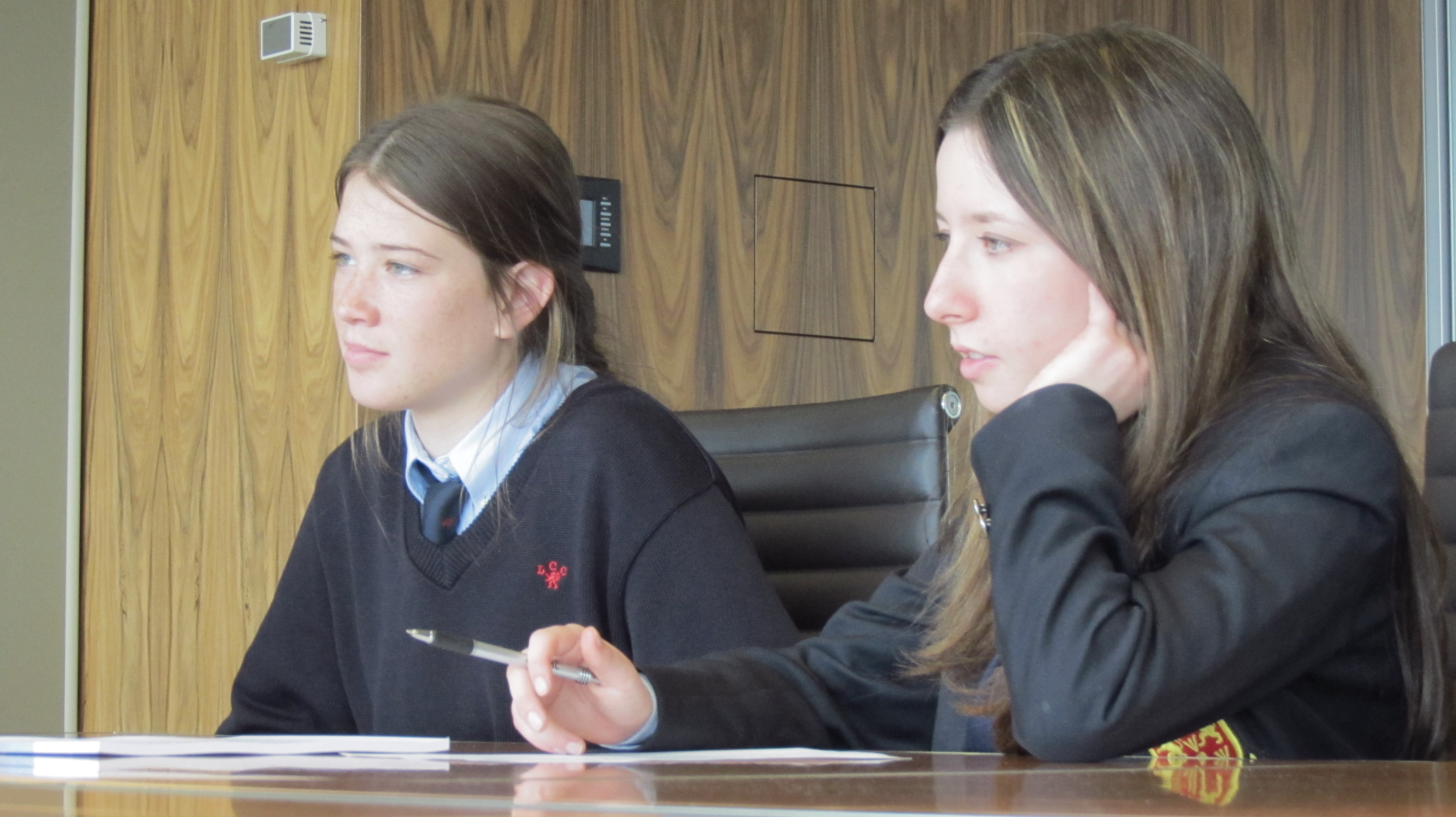
La classe de droit de 11e année a participé à un concours d’écriture de mémo pour la Cour d’appel de l’Ontario intitulé le défi de la Charte.

Ce concours est organisé par l’organisme ontarien OJEN.

Le cas faisait référence au projet de loi fédérale C-31 sur les nouvelles procédures en matière d’immigration. Notre groupe devait prouver la constitutionnalité de ce projet de loi en répondant à quatre questions reliées à la Charte des droits et libertés.

Les élèves, après avoir vécu trois semaines « d’intense labeur », ont été récompensés par une troisième place. Il est important de noter que les recherches sur les jurisprudences et l’écriture du mémo de 28 pages se sont déroulées en français.

Voici le message qui a annoncé les résultats :

I am very pleased to announce that the selected finalist teams for the Spring 2012 Charter Challenge are:

Appellant: Badal, Johnston, Nolan & Maligaya Law Firm from St. Mary’s High School in Kitchener, Ontario

Respondent: Dewy Cheatham and Howe from Cawthra Park Secondary School in Mississauga, Ontario

Six teams were shortlisted, so in addition to the two teams indicated above, the judges would like to recognize the following four teams for making the “top three” (in no particular order) on the Appellant and Respondent sides:

  • T.H.C. & Associates from Notre Dame College School in Welland, Ontario
  • EZBAKE Law Firm from Cawthra Park Secondary School in Mississauga, Ontario
  • Low, Ball & Lynch from Sacred Heart High School in Walkerton, Ontario
  • La Belle Province from Lower Canada College in Montreal, Quebec

Thank you for the hard work and support you gave your students. It is evident in the high quality of factums that you are each doing a wonderful job of helping your students navigate difficult Charter issues.

The OJEN Charter Challenge Team

Ontario Justice Education Network – Réseau ontarien d’éducation juridique

A civil society through education and dialogue.

Commentaires des élèves :

Je crois que le concours de la Charte était une des expériences les plus enrichissantes et importantes du cours de droit. La quantité d’informations apprises en faisant ce projet était étonnante. Le fait d’avoir pu écrire un mémo et apprendre cette habileté dans notre cours de droit de 11e année est simplement incroyable.–André Capretti ’12

Ce projet, malgré toute la lecture, était très intéressant et m’a appris beaucoup de choses comme; citer la jurisprudence, formuler mes arguments, mentionner les lois et les articles de la Charte.–Cole Elicott ’12

Ce travail m’a permis d’apprendre beaucoup à propos de la justice constitutionnelle et la rigueur qu’il faut pour rédiger un mémo. J’ai mis beaucoup d’efforts et de temps à rechercher des jurisprudences qui étaient pertinentes à ma question.–Dylan Garber ’12

Nous avons fait la question 1 qui traitait de la violation de l’article 7 de la Charte canadienne des droits et libertés. À première vue, on était effrayés par le nombre de pages qu’on devait lire et écrire. Mais une fois qu’on a surmonté cet obstacle, on a commencé, le travail.–Adam Palayew ’12

J’ai beaucoup appris en faisant le projet du défi de la Charte. En faisant ce projet, j’ai compris la vraie vie d’un avocat. Pour ma partie, je devais rechercher la section 15 de la Charte des Droits et Libertés, pour prouver que les droits de Benita Suarez n’avaient pas été violés. Le montant monumental de lecture, et de recherche sur des jurisprudences m’a certainement surpris, mais j’ai réussi à tout faire. L’aspect le plus difficile était de trouver des jurisprudences qui appuyaient mon point de vue.–Elena Pappas ’12

Toute la classe représentait la couronne (appelant dans ce cas). Nous devions répondre à la deuxième question et prouver que Benita ne fut pas arrêtée arbitrairement en faisant référence à des jurisprudences et en donnant plusieurs arguments constructifs. Cela fut une très lourde tâche, car il n’y avait pas énormément de cas similaires. Après beaucoup d’heures de travail, je pense que le résultat final est très bon.–Alexandre Sinor ’12